
Common Reasons Your Feet Might Hurt

Foot pain can develop from a range of conditions that affect the bones, soft tissues, skin, or nerves. One frequent source of foot pain is plantar fasciitis. This is a repetitive stress condition resulting from inflammation of the thick band of tissue that runs along the bottom of the foot. Bunions are another cause, creating a visible bump near the big toe joint that can become painful and swollen. Tendon injuries, such as Achilles tendonitis, cause pain and stiffness near the heel, especially after activity. Nerve compression in the foot, such as tarsal tunnel syndrome, produces tingling, burning, or shooting sensations. Stress fractures, often related to repetitive impact or overuse, lead to localized pain and swelling that worsens with movement. A podiatrist can evaluate the structure of your foot, using imaging to confirm the cause of the pain. If you are experiencing any type of foot pain, it is suggested that you make an appointment with a podiatrist for a diagnosis and treatment options.

Foot Pain

Foot pain can be extremely painful and debilitating. If you have a foot pain, consult with one of our podiatrists from Toms River Podiatrist . Our doctors will assess your condition and provide you with quality foot and ankle treatment.

Causes

Foot pain is a very broad condition that could be caused by one or more ailments. The most common include:

  • Bunions
  • Hammertoes
  • Plantar Fasciitis
  • Bone Spurs
  • Corns
  • Tarsal Tunnel Syndrome
  • Ingrown Toenails
  • Arthritis (such as Gout, Rheumatoid, and Osteoarthritis)
  • Flat Feet
  • Injury (from stress fractures, broken toe, foot, ankle, Achilles tendon ruptures, and sprains)
  • And more

Diagnosis

To figure out the cause of foot pain, podiatrists utilize several different methods. This can range from simple visual inspections and sensation tests to X-rays and MRI scans. Prior medical history, family medical history, and any recent physical traumatic events will all be taken into consideration for a proper diagnosis.

Treatment

Treatment depends upon the cause of the foot pain. Whether it is resting, staying off the foot, or having surgery; podiatrists have a number of treatment options available for foot pain.

If you have any questions, please feel free to contact our office located in Toms River, NJ . We offer the newest diagnostic and treatment technologies for all your foot care needs.

Read more about Foot Pain

Regaining Strength After an Ankle Sprain

An ankle sprain occurs when the ligaments that support the ankle stretch or tear, often from twisting or rolling the foot. This injury can cause pain, swelling, and limited movement, making daily activities difficult. As healing begins, gentle exercises such as building balance on the injured foot help restore stability and coordination. Scrunching a towel with your toes can improve flexibility and strengthen the supporting muscles. A podiatrist can assess the severity of the sprain, recommend targeted treatments, and guide your rehabilitation to prevent re-injury. If you are struggling to regain strength or stability after an ankle sprain, it is suggested that you visit a podiatrist who can offer effective strengthening techniques. 

Ankle sprains are common but need immediate attention. If you need your feet checked, contact one of our podiatrists from Toms River Podiatrist . Our doctors can provide the care you need to keep you pain-free and on your feet.

How Does an Ankle Sprain Occur?

Ankle sprains take place when the ligaments in your ankle are torn or stretched beyond their limits. There are multiple ways that the ankle can become injured, including twisting or rolling over onto your ankle, putting undue stress on it, or causing trauma to the ankle itself.

What Are the Symptoms?

  • Mild to moderate bruising
  • Limited mobility
  • Swelling
  • Discoloration of the skin (depending on severity)

Preventing a Sprain

  • Wearing appropriate shoes for the occasion
  • Stretching before exercises and sports
  • Knowing your limits

Treatment of a Sprain

Treatment of a sprain depends on the severity.  Many times, people are told to rest and remain off their feet completely, while others are given an air cast. If the sprain is very severe, surgery may be required.

If you have suffered an ankle sprain previously, you may want to consider additional support such as a brace and regular exercises to strengthen the ankle.

If you have any questions please feel free to contact our office located in Toms River, NJ . We offer the newest diagnostic tools and technology to treat your foot and ankle needs.

Read more about Ankle Sprains

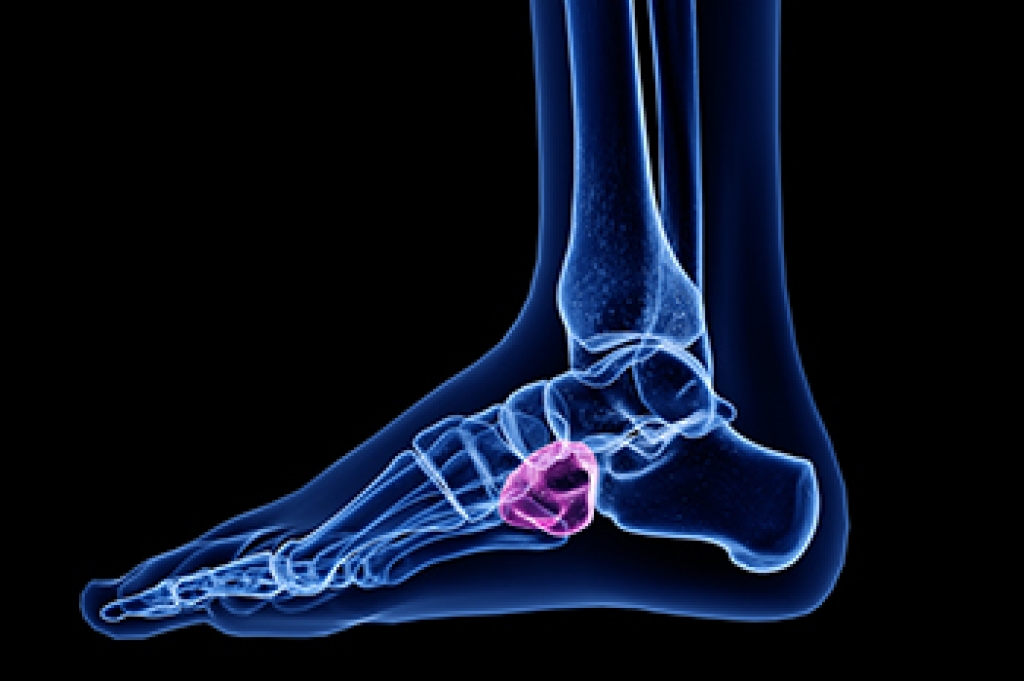
What Is a Cuboid Stress Fracture?

A cuboid stress fracture is a rare overuse injury that affects the small cube-shaped bone on the outer side of the foot. It develops gradually from repetitive stress rather than a single traumatic event. Symptoms include persistent ankle or outer foot pain that worsens with weight bearing and physical activity. Runners, gymnasts, and basketball players are at higher risk due to repetitive impact and twisting motions. A podiatrist can diagnose this condition through imaging, recommend rest, protective footwear, or custom orthotics, and create a rehabilitation plan to promote bone healing and prevent recurrence. Do not ignore lingering foot pain. If this applies to you, it is strongly suggested that you consult a podiatrist who can accurately diagnose and treat such an injury.

Activities where too much pressure is put on the feet can cause stress fractures. To learn more, contact one of our podiatrists from Toms River Podiatrist . Our doctors can provide the care you need to keep your pain free and on your feet.

Dealing with Stress Fractures of the Foot and Ankle

Stress fractures occur in the foot and ankle when muscles in these areas weaken from too much or too little use.  The feet and ankles then lose support when walking or running from the impact of the ground. Since there is no protection, the bones receive the full impact of each step. Stress on the feet can cause cracks to form in the bones, thus creating stress fractures.

What Are Stress Fractures?

Stress fractures occur frequently in individuals whose daily activities cause great impact on the feet and ankles. Stress factors are most common among:

  • Runners                                
  • People affected with Osteoporosis
  • Tennis or basketball players
  • Gymnasts
  • High impact workouts

Symptoms

Pain from the fractures occur in the area of the fractures and can be constant or intermittent. It will often cause sharp or dull pain with swelling and tenderness. Engaging in any kind of activity which involves high impact will aggravate pain.

If you have any questions please contact our office located in Toms River, NJ . We offer the newest diagnostic and treatment technologies for all your foot and ankle needs.

Read more about Dealing with Stress Fractures of the Foot and Ankle

Gout Pain Can Be Managed

Gout is a painful, inflammatory form of arthritis. Those affected will typically feel an intense stiffness in the joints of their feet, particularly in the big toe. Schedule a visit to learn about how gout can be managed and treated.

Preventing Falls in the Workplace

Preventing falls at work begins with maintaining a safe environment and following proper safety practices. Regularly inspecting work areas for hazards, using the right equipment, and following safety procedures reduces the risk of slips and trips. Wearing proper footwear with good traction and support is essential, especially in environments with uneven surfaces or wet floors. Being aware of weather conditions, such as rain or ice, helps prevent outdoor accidents. A podiatrist can assess foot health, recommend supportive shoes or custom orthotics, and address pain or balance issues that may increase fall risk. It is suggested that you schedule an appointment today with a podiatrist for foot care that supports safety and stability at work.

Preventing falls among the elderly is very important. If you are older and have fallen or fear that you are prone to falling, consult with one of our podiatrists from Toms River Podiatrist . Our doctors will assess your condition and provide you with quality advice and care.

Every 11 seconds, an elderly American is being treated in an emergency room for a fall related injury. Falls are the leading cause of head and hip injuries for those 65 and older. Due to decreases in strength, balance, senses, and lack of awareness, elderly persons are very susceptible to falling. Thankfully, there are a number of things older persons can do to prevent falls.

How to Prevent Falls

Some effective methods that older persons can do to prevent falls include:

  • Enrolling in strength and balance exercise program to increase balance and strength
  • Periodically having your sight and hearing checked
  • Discuss any medications you have with a doctor to see if it increases the risk of falling
  • Clearing the house of falling hazards and installing devices like grab bars and railings
  • Utilizing a walker or cane
  • Wearing shoes that provide good support and cushioning
  • Talking to family members about falling and increasing awareness

Falling can be a traumatic and embarrassing experience for elderly persons; this can make them less willing to leave the house, and less willing to talk to someone about their fears of falling. Doing such things, however, will increase the likelihood of tripping or losing one’s balance. Knowing the causes of falling and how to prevent them is the best way to mitigate the risk of serious injury.  

If you have any questions, please feel free to contact our office located in Toms River, NJ . We offer the newest diagnostic and treatment technologies for all your foot care needs.

Read more about Falls Prevention

Connect With Us