When the Big Toe Shifts

Bunions are a common foot deformity that develops when the big toe joint gradually moves out of alignment, creating a visible bump along the side of the foot. The area may look swollen, red, or enlarged, and the big toe may angle toward the smaller toes. It often feels sore or stiff, with pain that worsens after long periods of walking or wearing tight shoes. Some people also notice limited joint movement. Causes include genetics, abnormal foot structure, arthritis, and footwear that crowds the toes. A podiatrist can help from the start by examining foot alignment, evaluating symptoms, and confirming the diagnosis with imaging as needed. Early treatment may include footwear changes, padding, orthotics, and inflammation management. Care can then progress into activity modification or surgical options when conservative measures are no longer effective. Early evaluation helps slow progression and improve comfort. If you have a painful bunion, it is suggested that you make an appointment with a podiatrist.

If you are suffering from bunions, contact one of our podiatrists of Toms River Podiatrist . Our doctors can provide the care you need to keep you pain-free and on your feet.

What Is a Bunion?

A bunion is formed of swollen tissue or an enlargement of boney growth, usually located at the base joint of the toe that connects to the foot. The swelling occurs due to the bones in the big toe shifting inward, which impacts the other toes of the foot. This causes the area around the base of the big toe to become inflamed and painful.

Why Do Bunions Form?

Genetics – Susceptibility to bunions are often hereditary

Stress on the feet – Poorly fitted and uncomfortable footwear that places stress on feet, such as heels, can worsen existing bunions

How Are Bunions Diagnosed?

Podiatrists often perform two tests – blood tests and x-rays – when trying to diagnose bunions, especially in the early stages of development. Blood tests help determine if the foot pain is being caused by something else, such as arthritis, while x-rays provide a clear picture of your bone structure to your provider.

How Are Bunions Treated?

  • Refrain from wearing heels or similar shoes that cause discomfort
  • Select wider shoes that can provide more comfort and reduce pain
  • Anti-inflammatory and pain management drugs
  • Orthotics or foot inserts
  • Surgery

If you have any questions, please feel free to contact our office located in Toms River, NJ . We offer the newest diagnostic and treatment technologies for all your foot care needs.


Read more about Bunions

A Closer Look at Ingrown Toenail Surgery

Ingrown toenail surgery is often recommended when an ingrown nail becomes painful or infected. Symptoms usually include swelling, drainage, and overgrown skin along the nail edge. The toe may look inflamed or shiny and can feel sore at first, then progress to sharp pain, throbbing, or tenderness that makes wearing shoes difficult. Causes include repeated improper nail trimming, tight footwear, and genetic factors that cause the nail to curve into the skin. A podiatrist can help from the start by examining the toe, confirming the diagnosis, and determining whether infection or deeper tissue involvement is present. Early care may include conservative treatment, but when symptoms persist, a minor in-office surgical procedure can safely remove the ingrown portion of the nail. Treatment then moves into proper wound care, infection prevention, and long-term solutions to reduce recurrence. If you have a painful ingrown toenail, it is suggested that you make an appointment with a podiatrist.

Ingrown toenails may initially present themselves as a minor discomfort, but they may progress into an infection in the skin without proper treatment. For more information about ingrown toenails, contact one of our podiatrists of Toms River Podiatrist . Our doctors can provide the care you need to keep you pain-free and on your feet.

Ingrown Toenails

Ingrown toenails are caused when the corner or side of a toenail grows into the soft flesh surrounding it. They often result in redness, swelling, pain, and in some cases, infection. This condition typically affects the big toe and may recur if it is not treated properly.

Causes

  • Improper toenail trimming
  • Genetics
  • Improper shoe fitting
  • Injury from pedicures or nail picking
  • Abnormal gait
  • Poor hygiene

You are more likely to develop an ingrown toenail if you are obese, have diabetes, arthritis, or have any fungal infection in your nails. Additionally, people who have foot or toe deformities are at a higher risk of developing an ingrown toenail.

Symptoms

Some symptoms of ingrown toenails are redness, swelling, and pain. In rare cases, there may be a yellowish drainage coming from the nail.

Treatment

Ignoring an ingrown toenail can have serious complications. Infections of the nail border can progress to a deeper soft-tissue infection, which can then turn into a bone infection. You should always speak with your podiatrist if you suspect you have an ingrown toenail, especially if you have diabetes or poor circulation.

If you have any questions, please feel free to contact our office located in Toms River, NJ . We offer the newest diagnostic and treatment technologies for all your foot care needs.
Read more about Ingrown Toenails

Running Shoes for Comfort and Performance

Selecting the right running shoes starts with understanding your running style and how your feet move during activity. Your terrain also matters, since running on roads, tracks, or uneven surfaces places different demands on your feet. Distance plays a role as well, because longer runs often require more support and cushioning to reduce fatigue and strain. Personal preferences such as fit, flexibility, and overall comfort should never be overlooked, as the best shoe is one you feel confident wearing consistently. Wearing the wrong shoes can lead to foot pain, blisters, and overuse injuries. A podiatrist can evaluate your gait, foot structure, and training habits to recommend shoes that match your needs and help prevent injury. If running discomfort is slowing you down, it is suggested that you consult a podiatrist who can treat various foot conditions, and guide you on appropriate running shoes to wear.

You should always make sure your running shoes fit properly in order to avoid injury. For more information, contact one of our podiatrists from Toms River Podiatrist . Our doctors can provide the care you need to keep you pain-free and on your feet.

Choosing the Right Running Shoe for Your Foot Type

Improper shoe sizing can cause a myriad of problems for your feet. Shoes that don’t fit you properly can lead to muscular imbalances in your body, which can result in foot, knee, and hip injuries.

Tips for Finding the Right Running Shoe

  • Make sure you have a thumb’s width of wiggle room between the end of your longest toe and the front of the shoe.
  • There should be little to no slipping at the heel
  • Don’t assume your size in one shoe brand will be your size in another
  • Do not lace up your shoes too tightly
  • Walk around in the store with your new shoes before you buy them

If you have any questions, please feel free to contact our office located in Toms River, NJ . We offer the newest diagnostic and treatment technologies for all your foot care needs.

Read more about Walking Shoes vs. Running Shoes

Sever’s Disease in Children and Podiatric Care

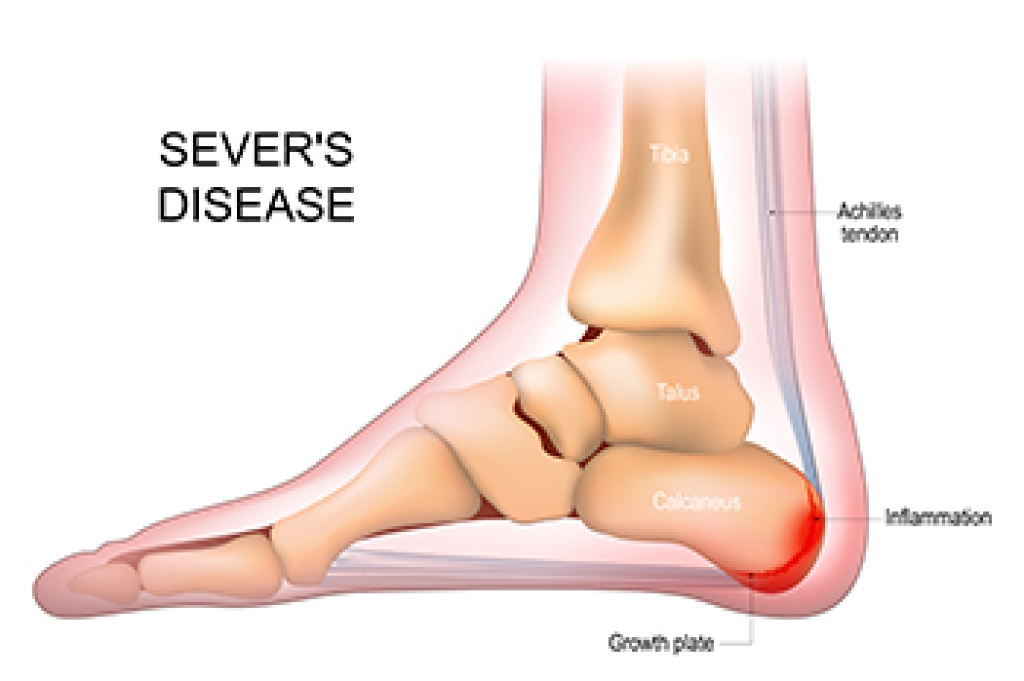
Sever’s disease is a common cause of heel pain in growing children and adolescents, occurring when the growth plate in the heel becomes irritated from repeated stress. Risk factors include rapid growth, high impact sports, tight calf muscles, flat or high arched feet, and footwear that lacks propersupport. Symptoms often include heel pain that worsens with activity, tenderness at the back or bottom of the heel, limping, stiffness after rest, and discomfort when squeezing the heel. A podiatrist can help by confirming the diagnosis and creating a treatment plan focused on reducing pain and inflammation. Care may include activity modification, stretching programs, custom orthotics, supportive footwear guidance, and education for injury prevention. If your child is experiencing heel pain that affects sports or daily activities, it is suggested that you consult a podiatrist who can accurately diagnose and treat what may be going on. 

Sever's disease often occurs in children and teens. If your child is experiencing foot or ankle pain, see one of our podiatrists from Toms River Podiatrist . Our doctors can treat your child’s foot and ankle needs.

Sever’s Disease

Sever’s disease is also known as calcaneal apophysitis, which is a medical condition that causes heel pain I none or both feet. The disease is known to affect children between the ages of 8 and 14.

Sever’s disease occurs when part of the child’s heel known as the growth plate (calcaneal epiphysis) is attached to the Achilles tendon. This area can suffer injury when the muscles and tendons of the growing foot do not keep pace with bone growth. Therefore, the constant pain which one experiences at the back of the heel will make the child unable to put any weight on the heel. The child is then forced to walk on their toes.

Symptoms

Acute pain – Pain associated with Sever’s disease is usually felt in the heel when the child engages in physical activity such as walking, jumping and or running.

Highly active – Children who are very active are among the most susceptible in experiencing Sever’s disease, because of the stress and tension placed on their feet.

If you have any questions, please feel free to contact our office located in Toms River, NJ . We offer the newest diagnostic and treatment technologies for all your foot care needs.

Read more about Sever's Disease

Are You Suffering From Ingrown Toenails?

If left untreated, an ingrown toenail can lead to more serious concerns, such as an infection. Knowing proper nail care can help in the prevention of an ingrown toenail. Give us a call, and get treated!

Connect With Us