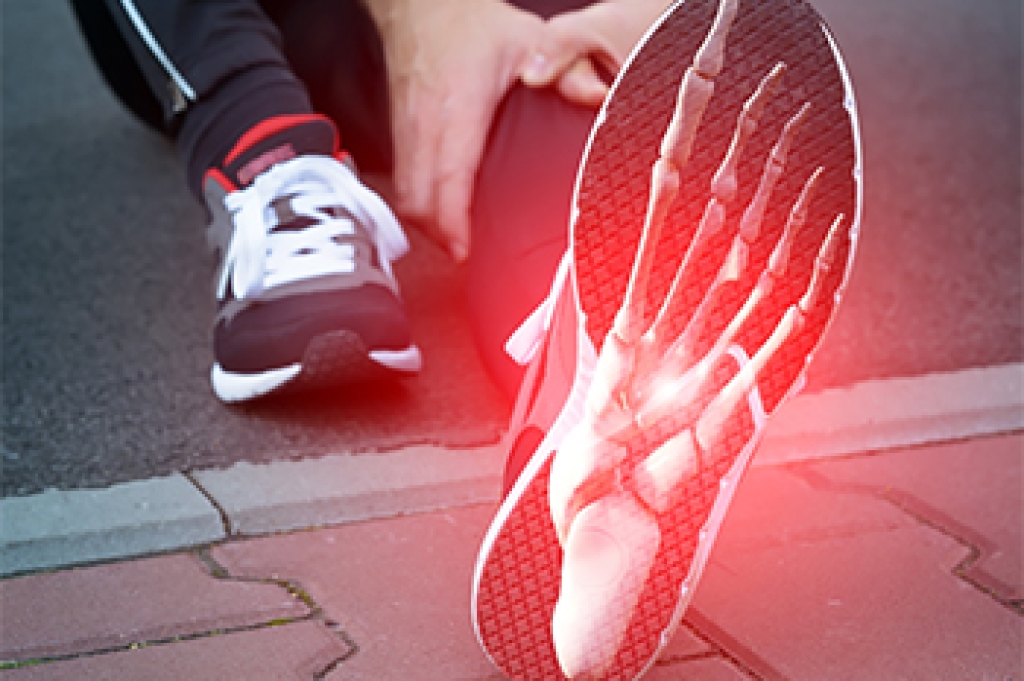
Causes of Foot Stress Fractures

Foot stress fractures occur when repeated stress or impact overwhelms the foot's bones, often from activities like running or jumping. A sudden increase in exercise intensity, duration, or frequency can place excessive strain on the bones, particularly if the body has not adjusted to the added workload. Changes in surface, such as moving from a soft running track to a hard sidewalk, may also trigger stress fractures. Wearing ill-fitting footwear that lacks proper support and cushioning can lead to uneven pressure distribution. Biomechanical issues, including bunions or improper gait, may force certain areas of the feet to bear more weight, which adds to the stress. Athletes, especially those involved in high-impact sports, are particularly vulnerable, but non-athletes engaging in prolonged walking or standing on hard or uneven surfaces can also develop stress fractures. A podiatrist can diagnose the injured foot using digital imaging and develop a treatment plan. If you experience foot pain after running, playing a sport or exercising, it is suggested that you schedule an appointment with a podiatrist to find out whether you may have developed stress fractures.

Stress fractures occur when there is a tiny crack within a bone. To learn more, contact one of our podiatrists from Toms River Podiatrist . Our doctors can provide the care you need to keep you pain free and on your feet.

How Are They Caused?

Stress fractures are the result of repetitive force being placed on the bone. Since the lower leg and feet often carry most of the body’s weight, stress fractures are likely to occur in these areas. If you rush into a new exercise, you are more likely to develop a stress fracture since you are starting too much, too soon.  Pain resulting from stress fractures may go unnoticed at first, however it may start to worsen over time.

Risk Factors

  • Gender – They are more commonly found in women compared to men.
  • Foot Problems – People with unusual arches in their feet are more likely to develop stress fractures.
  • Certain Sports – Dancers, gymnasts, tennis players, runners, and basketball players are more likely to develop stress fractures.
  • Lack of Nutrients – A lack of vitamin D and calcium may weaken the bones and make you more prone to stress fractures
  • Weak Bones – Osteoporosis can weaken the bones therefore resulting in stress fractures

Stress fractures do not always heal properly, so it is important that you seek help from a podiatrist if you suspect you may have one. Ignoring your stress fracture may cause it to worsen, and you may develop chronic pain as well as additional fractures.

If you have any questions please contact our office located in Toms River, NJ . We offer the newest diagnostic and treatment technologies for all your foot and ankle needs.
Read more about Stress Fractures of the Foot and Ankle

Possible Reasons for Burning and Burning in the Achilles Tendon

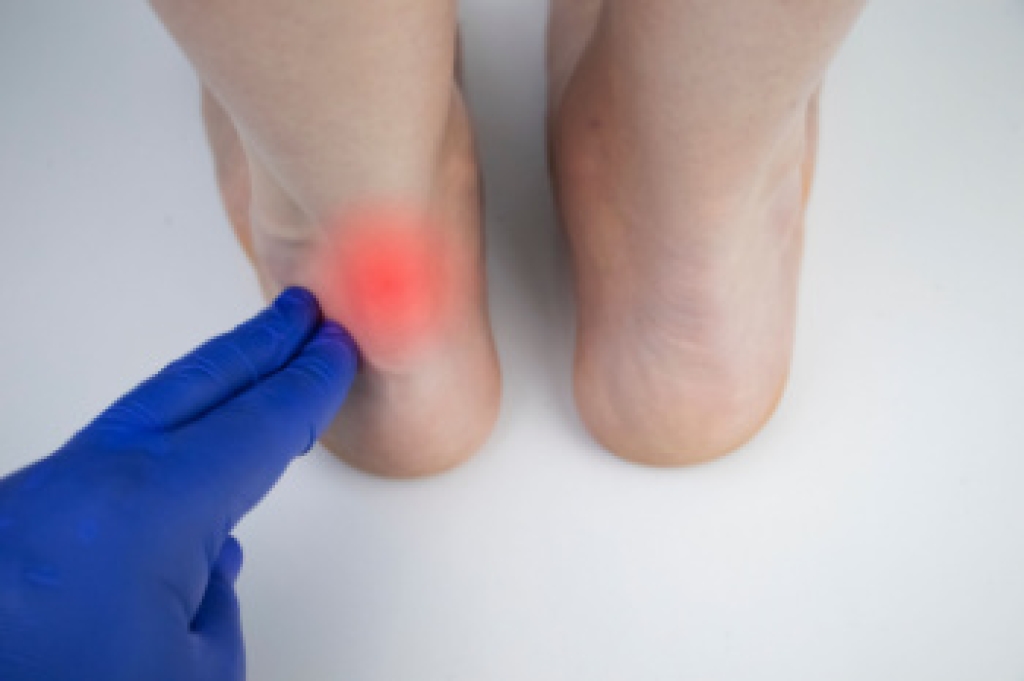
Pain and burning in the Achilles tendon are often signs of Achilles tendinitis, an inflammation of the tendon that connects the calf muscles to the heel bone. This condition commonly results from overuse, particularly in athletes who engage in repetitive activities like running, jumping, or sudden direction changes. Wearing poor footwear, improper stretching, or tight calf muscles can also contribute to the development of Achilles tendinitis. As the tendon becomes irritated, individuals may experience pain that worsens with activity or after long periods of rest. In some cases, the tendon may feel warm, swollen, or tender to the touch. Over time, without proper treatment, Achilles tendinitis can become chronic, leading to further damage and weakness in the tendon. If you have sustained an Achilles tendon injury, it is suggested that you promptly schedule an appointment with a podiatrist who can effectively treat this condition.

Achilles tendon injuries need immediate attention to avoid future complications. If you have any concerns, contact one of our podiatrists of Toms River Podiatrist . Our doctors can provide the care you need to keep you pain-free and on your feet.

What Is the Achilles Tendon?

The Achilles tendon is a tendon that connects the lower leg muscles and calf to the heel of the foot. It is the strongest tendon in the human body and is essential for making movement possible. Because this tendon is such an integral part of the body, any injuries to it can create immense difficulties and should immediately be presented to a doctor.

What Are the Symptoms of an Achilles Tendon Injury?

There are various types of injuries that can affect the Achilles tendon. The two most common injuries are Achilles tendinitis and ruptures of the tendon.

Achilles Tendinitis Symptoms

  • Inflammation
  • Dull to severe pain
  • Increased blood flow to the tendon
  • Thickening of the tendon

Rupture Symptoms

  • Extreme pain and swelling in the foot
  • Total immobility

Treatment and Prevention

Achilles tendon injuries are diagnosed by a thorough physical evaluation, which can include an MRI. Treatment involves rest, physical therapy, and in some cases, surgery. However, various preventative measures can be taken to avoid these injuries, such as:

  • Thorough stretching of the tendon before and after exercise
  • Strengthening exercises like calf raises, squats, leg curls, leg extensions, leg raises, lunges, and leg presses

If you have any questions please feel free to contact our office located in Toms River, NJ . We offer the newest diagnostic tools and technology to treat your foot and ankle needs.

Read more about What are Achilles Tendon Injuries

Effective Exercises for Toe Pain Relief

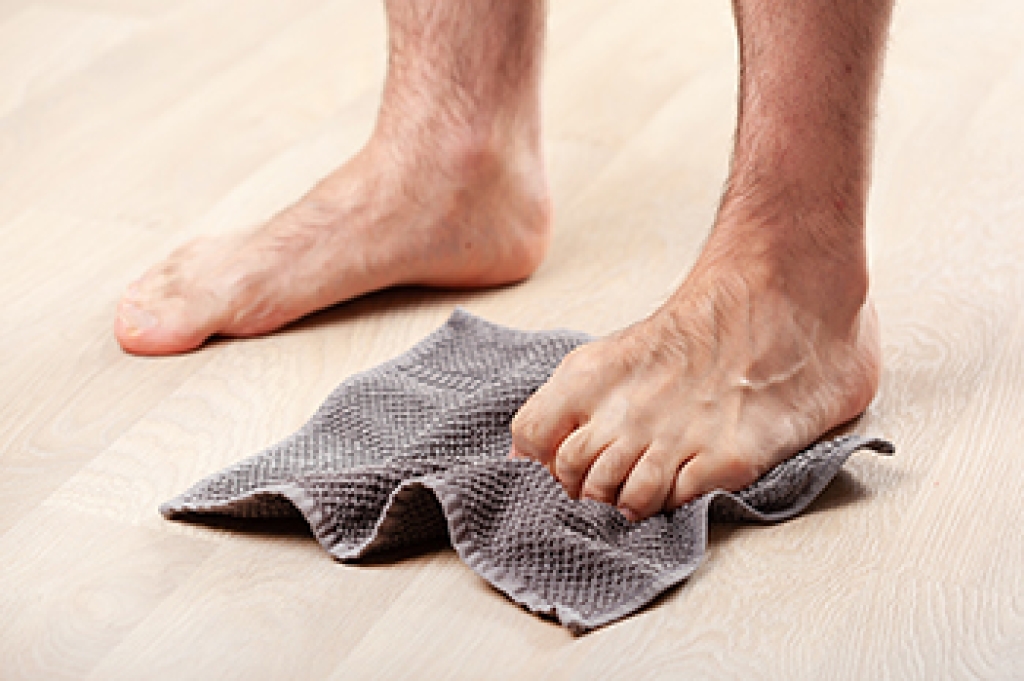
Toe pain can be present for many reasons including bunions, hammertoes, ingrown toenails, and arthritis. Bunions occur when the big toe moves out of alignment causing pain and swelling. Hammertoes involve abnormal bending of the toe joints, leading to discomfort. Ingrown toenails happen when the nail grows into the surrounding skin, causing pain and potential infection. Additionally, arthritis, particularly osteoarthritis, can cause stiffness and swelling in the toe joints. To alleviate toe pain, exercises such as toe stretches, toe curls, and towel scrunches can help improve flexibility, strength, and circulation. Gently stretching the toes by pulling them back toward the body can relieve tension. Picking up small objects with the toes or pulling a towel with the feet can also strengthen the muscles. If you have toe pain for any reason, it is strongly suggested that you contact a podiatrist who can determine the cause and offer appropriate treatment solutions.

Toe pain can disrupt your daily activities. If you have any concerns, contact one of our podiatrists of Toms River Podiatrist . Our doctors can provide the care you need to keep you pain-free and on your feet.

What Causes Toe Pain?

Most severe toe pain is caused due to a sports injury, trauma from dropping something heavy on the toe, or bumping into something rigid. Other problems can develop over time for various reasons.

Toe pain can be caused by one or more ailments. The most common include:

  • Trauma
  • Sports injury
  • Wearing shoes that are too tight
  • Arthritis
  • Gout
  • Corns and calluses
  • Hammertoe
  • Bunions
  • Blisters
  • Ingrown toenails
  • Sprains
  • Fractures (broken bones)
  • Dislocations

When to See a Podiatrist

  • Severe pain
  • Persistent pain that lasts more than a week
  • Signs of infection
  • Continued swelling
  • Pain that prevents walking

Diagnosis

In many cases the cause of toe pain is obvious, but in others, a podiatrist may want to use more advanced methods to determine the problem. These can range from simple visual inspections and sensation tests to X-rays and MRI scans. Prior medical history, family medical history, and any recent physical traumatic events will all be taken into consideration for a proper diagnosis.

Treatment

Treatments for toe pain and injuries vary and may include shoe inserts, padding, taping, medicines, injections, and in some cases, surgery. If you believe that you have broken a toe, please see a podiatrist as soon as possible.

If you have any questions please contact our office located in Toms River, NJ . We offer the newest diagnostic and treatment technologies for all your foot and ankle needs.

Read more about Toe Pain

Foot Care Safety Tips for Rucking

Rucking is an activity that involves walking or hiking while carrying a weighted backpack, often over long distances and challenging terrain. Originally a military training exercise, it has become a popular fitness activity that combines cardio and strength training. The repetitive stress from carrying heavy loads over varying terrain can lead to a variety of issues, including blisters, calluses, or foot pain. Selecting appropriate footwear is vital for reducing these risks. Look for durable, supportive shoes with good arch support, cushioning, and traction suitable for the terrain and weather. Properly fitted shoes that allow toe movement and accommodate your foot shape are essential. Additionally, keeping feet clean and dry during rucking is key to avoiding blisters and fungal infections. If discomfort persists, a podiatrist can assess your feet and recommend custom orthotics for added support. If you experience unusual or chronic foot pain after rucking, it is suggested that you schedule an appointment with a podiatrist for a diagnosis and treatment options.

Ankle and foot injuries are common among athletes and in many sports. They can be caused by several problems and may be potentially serious. If you are feeling pain or think you were injured in a sporting event or when exercising, consult with one of our podiatrists from Toms River Podiatrist . Our doctors will assess your condition and provide you with quality foot and ankle treatment.

Common Injuries

The most common injuries that occur in sporting activities include:

  • Achilles Tendonitis
  • Achilles Tendon Rupture
  • Ankle Sprains
  • Broken Foot
  • Plantar Fasciitis
  • Stress Fractures
  • Turf Toe

Symptoms

Symptoms vary depending upon the injury and in some cases, there may be no symptoms at all. However, in most cases, some form of symptom is experienced. Pain, aching, burning, bruising, tenderness, tightness or stiffness, sensation loss, difficulty moving, and swelling are the most common symptoms.

Treatment

Just as symptoms vary depending upon the injury, so do treatment options. A common treatment method is known as the RICE method. This method involves rest, applying ice, compression and elevating the afflicted foot or ankle. If the injury appears to be more serious, surgery might be required, such as arthroscopic or reconstructive surgery. Lastly, rehabilitation or therapy might be needed to gain full functionality in the afflicted area. Any discomfort experienced by an athlete must be evaluated by a licensed, reputable medical professional.  

If you have any questions please contact our office located in Toms River, NJ . We offer the newest diagnostic and treatment technologies for all your foot and ankle needs.

Read more about Sports Related Foot and Ankle Injuries

Reminder: When Was the Last Time...?

Custom orthotics, or shoe inserts, should be periodically replaced. Orthotics must fit properly to give you the best results. Protect your feet and ankles!

Connect With Us