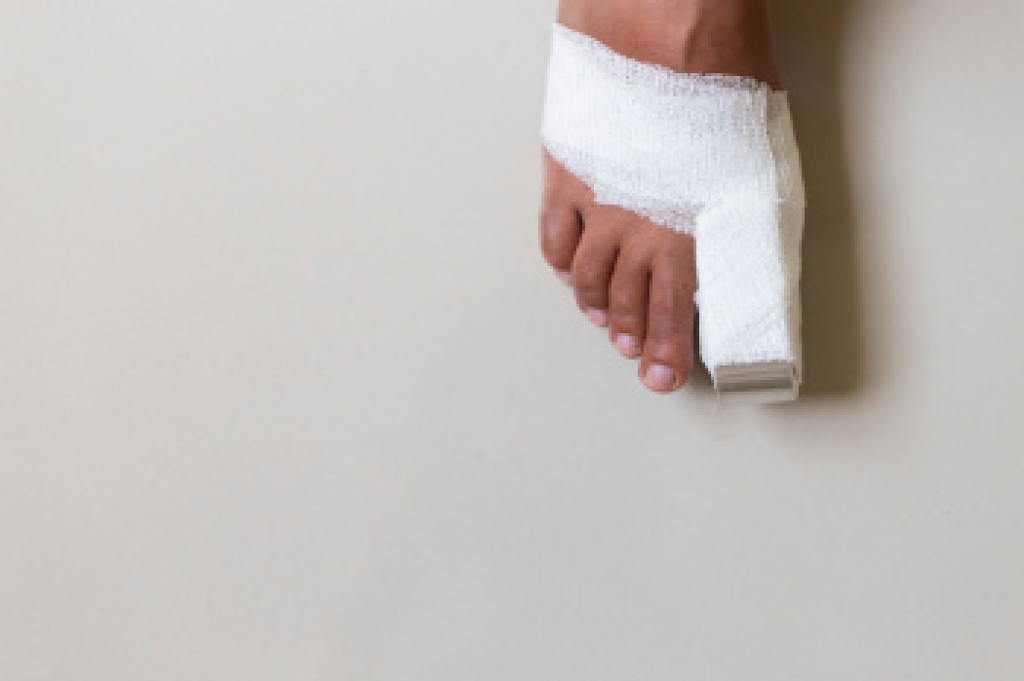
What Happens When a Toe Is Fractured

A toe fracture is a break in one of the small bones that make up the toes. These injuries often occur when the toe is stubbed against a hard object, when something heavy falls on the foot, or during sports activities. Common symptoms include pain, swelling, bruising, and difficulty walking. Some people notice that the toe appears crooked or becomes tender to touch. Because these symptoms can resemble a sprain or severe bruise, proper diagnosis is important. A podiatrist will examine the toe and may order an X-ray to confirm whether a fracture is present and determine its severity. Treatment depends on the type of break. Many fractures are treated with protective taping, supportive footwear, and limited activity while the bone heals. More serious fractures may require additional stabilization. If you suspect a broken toe or have persistent toe pain, it is suggested that you see a podiatrist for a proper diagnosis and appropriate treatment.

A broken toe can be very painful and lead to complications if not properly fixed. If you have any concerns about your feet, contact one of our podiatrists from Toms River Podiatrist . Our doctors will treat your foot and ankle needs.

What to Know About a Broken Toe

Although most people try to avoid foot trauma such as banging, stubbing, or dropping heavy objects on their feet, the unfortunate fact is that it is a common occurrence. Given the fact that toes are positioned in front of the feet, they typically sustain the brunt of such trauma. When trauma occurs to a toe, the result can be a painful break (fracture).

Symptoms of a Broken Toe

  • Throbbing pain
  • Swelling
  • Bruising on the skin and toenail
  • The inability to move the toe
  • Toe appears crooked or disfigured
  • Tingling or numbness in the toe

Generally, it is best to stay off of the injured toe with the affected foot elevated.

Severe toe fractures may be treated with a splint, cast, and in some cases, minor surgery. Due to its position and the pressure it endures with daily activity, future complications can occur if the big toe is not properly treated.

If you have any questions, please feel free to contact our office located in Toms River, NJ . We offer the newest diagnostic and treatment technologies for all your foot care needs.
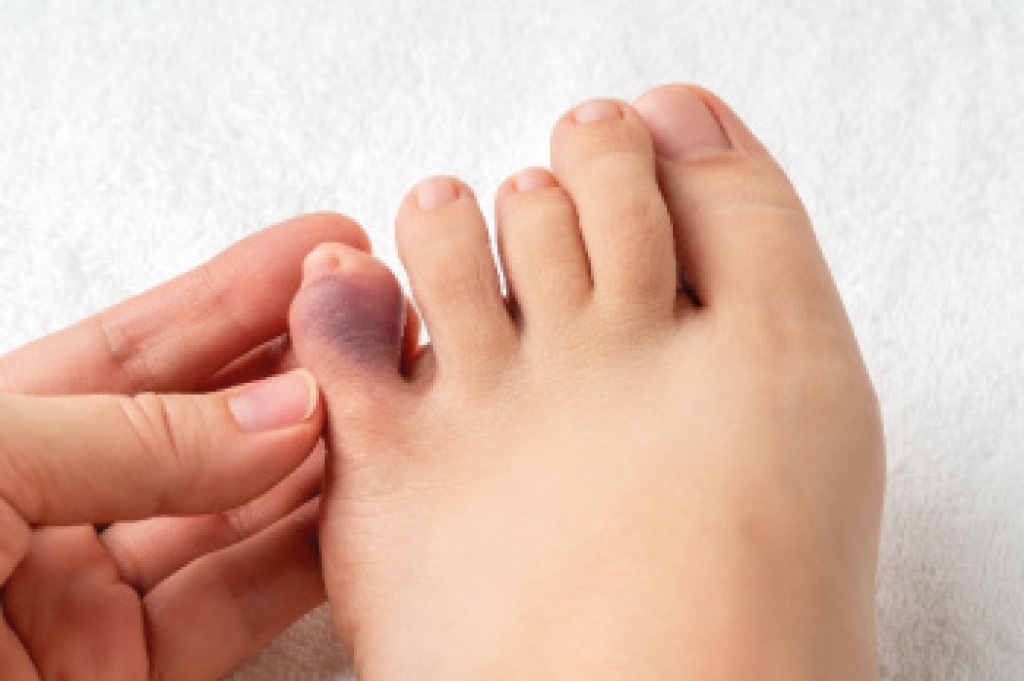
Read more about What to Know About a Broken Toe

How the Body Repairs a Foot Wound

When the skin on the foot is injured, the body begins a complex healing response designed to close the wound and restore healthy tissue. This process happens in several connected stages that gradually rebuild the damaged area. First, the body works to stop bleeding and protect the injury. Blood cells gather at the site and form a clot that seals the wound, preventing harmful bacteria from entering. Next, the body begins building new tissue. Fresh cells grow, small blood vessels develop, and the wound slowly fills in as healthy skin forms. During the final stage, the new tissue strengthens and becomes more organized. The skin becomes firmer and better able to handle normal pressure from standing and walking. Proper wound care, cleanliness, and reduced pressure help support healing. If a foot wound heals slowly or shows signs of infection, it is suggested that you promptly see a podiatrist for a proper diagnosis and appropriate treatment.

Wound care is an important part in dealing with diabetes. If you have diabetes and a foot wound or would like more information about wound care for diabetics, consult with one of our podiatrists from Toms River Podiatrist . Our doctors will assess your condition and provide you with quality foot and ankle treatment.

What Is Wound Care?

Wound care is the practice of taking proper care of a wound. This can range from the smallest to the largest of wounds. While everyone can benefit from proper wound care, it is much more important for diabetics. Diabetics often suffer from poor blood circulation which causes wounds to heal much slower than they would in a non-diabetic. 

What Is the Importance of Wound Care?

While it may not seem apparent with small ulcers on the foot, for diabetics, any size ulcer can become infected. Diabetics often also suffer from neuropathy, or nerve loss. This means they might not even feel when they have an ulcer on their foot. If the wound becomes severely infected, amputation may be necessary. Therefore, it is of the upmost importance to properly care for any and all foot wounds.

How to Care for Wounds

The best way to care for foot wounds is to prevent them. For diabetics, this means daily inspections of the feet for any signs of abnormalities or ulcers. It is also recommended to see a podiatrist several times a year for a foot inspection. If you do have an ulcer, run the wound under water to clear dirt from the wound; then apply antibiotic ointment to the wound and cover with a bandage. Bandages should be changed daily and keeping pressure off the wound is smart. It is advised to see a podiatrist, who can keep an eye on it.

If you have any questions please contact our office located in Toms River, NJ . We offer the newest diagnostic and treatment technologies for all your foot and ankle needs.

Read more about Wound Care

Understanding Pinky Toe Pain

Pinky toe pain can interfere with walking, balance, and daily activities, often resulting from injuries or repetitive stress. Common causes include a broken toe from direct trauma, a stress fracture from overuse, or a dislocated toe from sudden impact or awkward movement. Symptoms include swelling, bruising, tenderness, and difficulty putting weight on the foot. Ignoring pain in the pinky toe can lead to long-term complications, including improper alignment or chronic discomfort. A podiatrist can evaluate the injury, perform imaging, if needed, and recommend splinting, protective footwear, or therapy to restore function. If you are experiencing pain, swelling, or difficulty in moving your pinky toe, it is suggested that you consult a podiatrist who can determine what the cause is, and offer effective relief and treatment solutions.

Toe pain can disrupt your daily activities. If you have any concerns, contact one of our podiatrists of Toms River Podiatrist . Our doctors can provide the care you need to keep you pain-free and on your feet.

What Causes Toe Pain?

Most severe toe pain is caused due to a sports injury, trauma from dropping something heavy on the toe, or bumping into something rigid. Other problems can develop over time for various reasons.

Toe pain can be caused by one or more ailments. The most common include:

  • Trauma
  • Sports injury
  • Wearing shoes that are too tight
  • Arthritis
  • Gout
  • Corns and calluses
  • Hammertoe
  • Bunions
  • Blisters
  • Ingrown toenails
  • Sprains
  • Fractures (broken bones)
  • Dislocations

When to See a Podiatrist

  • Severe pain
  • Persistent pain that lasts more than a week
  • Signs of infection
  • Continued swelling
  • Pain that prevents walking

Diagnosis

In many cases the cause of toe pain is obvious, but in others, a podiatrist may want to use more advanced methods to determine the problem. These can range from simple visual inspections and sensation tests to X-rays and MRI scans. Prior medical history, family medical history, and any recent physical traumatic events will all be taken into consideration for a proper diagnosis.

Treatment

Treatments for toe pain and injuries vary and may include shoe inserts, padding, taping, medicines, injections, and in some cases, surgery. If you believe that you have broken a toe, please see a podiatrist as soon as possible.

If you have any questions please contact our office located in Toms River, NJ . We offer the newest diagnostic and treatment technologies for all your foot and ankle needs.

Read more about Toe Pain

Risk Factors of Cracked Heels

Cracked heels are splits or fissures in the skin along the edge of the heel that develop when dry, thickened skin loses elasticity and splits under pressure. This condition often begins with roughness and callus formation and can progress to painful cracks that may bleed. Common causes include prolonged standing, open-back footwear, obesity, dry climates, and poor skin hydration. Risk factors also include diabetes, eczema, and other conditions that affect circulation or skin health. Symptoms may involve itching, flaking, discomfort while walking, and visible deep fissures. A podiatrist can safely remove thickened skin, recommend medical grade moisturizers, and address underlying causes. If you have cracked heels, it is suggested that you consult a podiatrist who can offer effective relief and treatment solutions, which may include prescribed medication. 

If the skin on your feet starts to crack, you may want to see a podiatrist to find treatment. If you have any concerns, contact one of our podiatrists from Toms River Podiatrist . Our doctors can provide the care you need to keep you pain-free and on your feet.

Cracked Heels

It is important to moisturize your cracked heels in order to prevent pain, bleeding, and infection. The reason cracked heels form is because the skin on the foot is too dry to support the immense pressure placed on them. When the foot expands, the dry skin on the foot begins to split.

Ways to Help Heal Them

  • Invest in a good foot cream
  • Try Using Petroleum Jelly
  • Ease up on Soaps
  • Drink Plenty of Water

Ways to Prevent Cracked Heels

  • Moisturize After Showering
  • Skip a Shower
  • Keep Shower Water Lukewarm
  • Don’t Scrub Your Feet

If you are unsure how to proceed in treating cracked heels, seek guidance from a podiatrist. Your doctor will help you with any questions or information you may need. 

If you have any questions, please feel free to contact our office located in Toms River, NJ . We offer the newest diagnostic and treatment technologies for all your foot care needs.

Read more about Solutions for Cracked Heels

Do Your Child's Feet Hurt?

Have your child's feet been examined lately? Healthy feet are happy feet. If your child is complaining of foot pain, it may be a sign of underlying problems.

Connect With Us