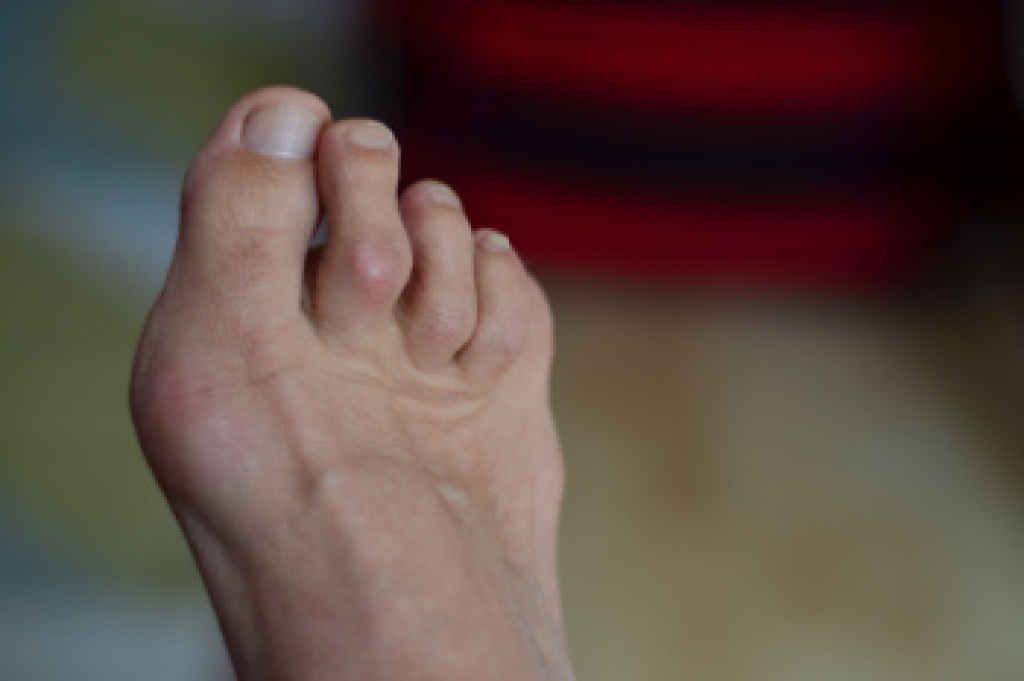
Understanding Hammertoe

Hammertoe is a foot deformity in which one or more of the smaller toes bend abnormally at the middle joint, creating a curled or hammer-like appearance. This condition often develops gradually and can become rigid over time if not treated. Common causes include an imbalance in the muscles or tendons that control toe movement, often triggered by wearing tight or ill-fitting shoes that crowd the toes. Repeated pressure and friction can worsen the deformity. Risk factors include having a longer second toe, certain inherited foot structures, or conditions such as arthritis and diabetes. Wearing high heels or shoes with narrow toe boxes may also increase the likelihood of developing hammertoe. If you have signs of hammertoe, it is suggested that you are under the care of a podiatrist who can offer effective relief and treatment methods.

Hammertoe

Hammertoes can be a painful condition to live with. For more information, contact one of our podiatrists from Toms River Podiatrist . Our doctors will answer any of your foot- and ankle-related questions.

Hammertoe is a foot deformity that affects the joints of the second, third, fourth, or fifth toes of your feet. It is a painful foot condition in which these toes curl and arch up, which can often lead to pain when wearing footwear.

Symptoms

  • Pain in the affected toes
  • Development of corns or calluses due to friction
  • Inflammation
  • Redness
  • Contracture of the toes

Causes

Genetics – People who are genetically predisposed to hammertoe are often more susceptible

Arthritis – Because arthritis affects the joints in your toes, further deformities stemming from arthritis can occur

Trauma – Direct trauma to the toes could potentially lead to hammertoe

Ill-fitting shoes – Undue pressure on the front of the toes from ill-fitting shoes can potentially lead to the development of hammertoe

Treatment

Orthotics – Custom made inserts can be used to help relieve pressure placed on the toes and therefore relieve some of the pain associated with it

Medications – Oral medications such as anti-inflammatories or NSAIDs could be used to treat the pain and inflammation hammertoes causes. Injections of corticosteroids are also sometimes used

Surgery – In more severe cases where the hammertoes have become more rigid, foot surgery is a potential option

If you have any questions, please feel free to contact our office located in Toms River, NJ . We offer the newest diagnostic and treatment technologies for all your foot care needs.
Read more about What Are Hammertoes?

Causes and Treatment of Toenail Fungus

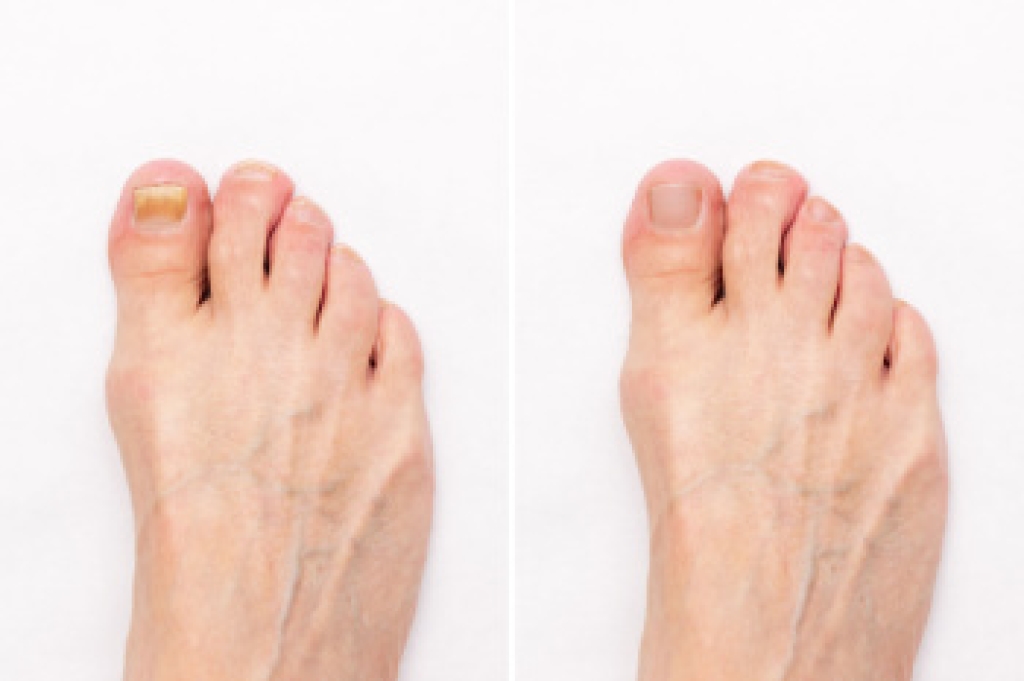
Toenail fungus is an infection that affects the toenail and the skin underneath it. It often causes the nail to become thick, yellow, and brittle, or to lift away from the nail bed. Fungal toenails are more common in older adults, especially those with diabetes, poor circulation, or a weakened immune system. Fungus grows well in warm, damp places like sweaty shoes. For that reason, people who wear tight or closed shoes for long hours or use shared shower areas may be more likely to be exposed. The infection usually starts slowly and can become worse over time if not treated. Because toenails grow slowly and have less blood flow than other parts of the body, treating a fungal nail infection can take several months. A podiatrist may prescribe oral medication to fight the infection from the inside, or use topical treatments for mild cases. In more serious situations, surgery to remove the damaged nail might be recommended. If you have been infected with a toenail fungus, it is suggested that you make an appointment with a podiatrist for treatment.

For more information about treatment, contact one of our podiatrists of Toms River Podiatrist . Our doctors can provide the care you need to keep you pain-free and on your feet.

Toenail Fungus Treatment

Toenail fungus is a condition that affects many people and can be especially hard to get rid of. Fortunately, there are several methods to go about treating and avoiding it.

Antifungals & Deterrence

Oral antifungal medicine has been shown to be effective in many cases. It is important to consult with a podiatrist to determine the proper regiment for you, or potentially explore other options.

Applying foot powder on the feet and shoes helps keep the feet free of moisture and sweat.

Sandals or open toed shoes – Wearing these will allow air movement and help keep feet dry. They also expose your feet to light, which fungus cannot tolerate. Socks with moisture wicking material also help as well.

If you have any questions please contact our office located in Toms River, NJ . We offer the newest diagnostic and treatment technologies for all your foot and ankle needs.

Read more about Toenail Fungus

Anterior Tibial Tendonitis and Why It Happens

Anterior tibial tendonitis is the inflammation of the tendon that runs along the front of the ankle and connects the shin to the foot. This condition develops when the tendon becomes irritated or overused, often due to repetitive stress from walking, running, or activities that involve frequent ankle movement. Common symptoms include pain along the front of the ankle or shin, swelling, and stiffness, especially during or after activity. The discomfort may worsen when walking uphill or climbing stairs. Risk factors include overuse, sudden increases in activity, improper footwear, flat feet, or weak supporting muscles. Individuals who are active or have biomechanical imbalances may be more prone to developing this condition. If you have ankle pain, it is suggested that you consult a podiatrist who can offer effective treatment solutions.

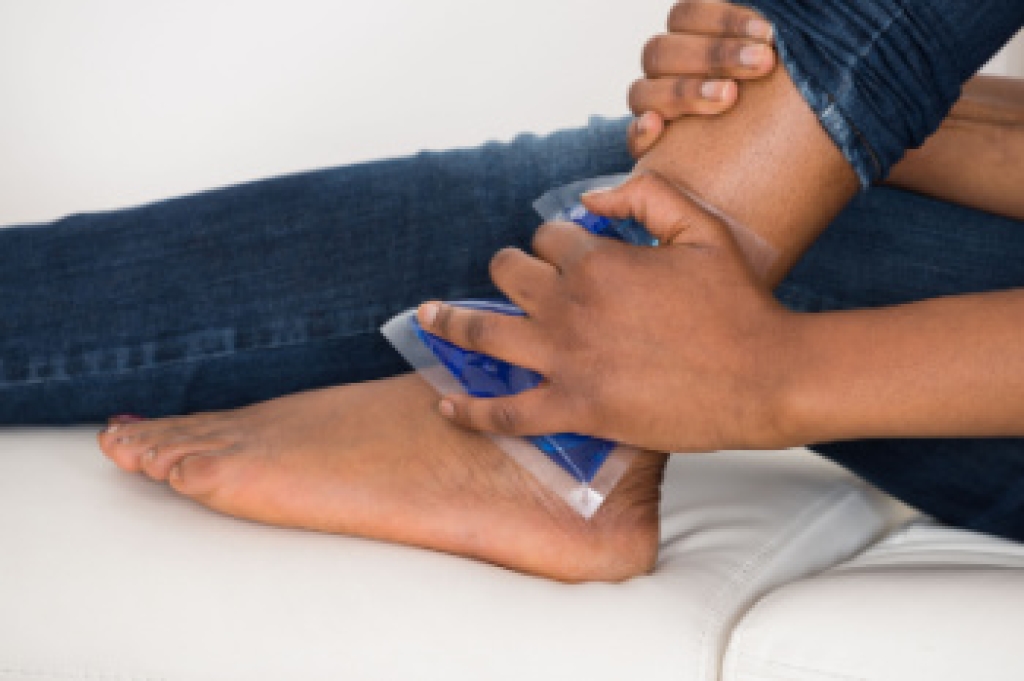
Ankle pain can be caused by a number of problems and may be potentially serious. If you have ankle pain, consult with one of our podiatrists from Toms River Podiatrist . Our doctors will assess your condition and provide you with quality foot and ankle treatment.

Ankle pain is any condition that causes pain in the ankle. Due to the fact that the ankle consists of tendons, muscles, bones, and ligaments, ankle pain can come from a number of different conditions.

Causes

The most common causes of ankle pain include:

  • Types of arthritis (rheumatoid, osteoarthritis, and gout)
  • Ankle sprains
  • Broken ankles
  • Achilles tendonitis
  • Achilles tendon rupture
  • Stress fractures
  • Bursitis
  • Tarsal tunnel syndrome
  • Plantar fasciitis

Symptoms

Symptoms of ankle injury vary based upon the condition. Pain may include general pain and discomfort, swelling, aching, redness, bruising, burning or stabbing sensations, and/or loss of sensation.

Diagnosis

Due to the wide variety of potential causes of ankle pain, podiatrists will utilize a number of different methods to properly diagnose ankle pain. This can include asking for personal and family medical histories and of any recent injuries. Further diagnosis may include sensation tests, a physical examination, and potentially x-rays or other imaging tests.

Treatment

Just as the range of causes varies widely, so do treatments. Some more common treatments are rest, ice packs, keeping pressure off the foot, orthotics and braces, medication for inflammation and pain, and surgery.

If you have any questions please feel free to contact our office located in Toms River, NJ . We offer the newest diagnostic tools and technology to treat your foot and ankle needs.

Read more about Ankle Pain

Painful Gout Attacks at Night

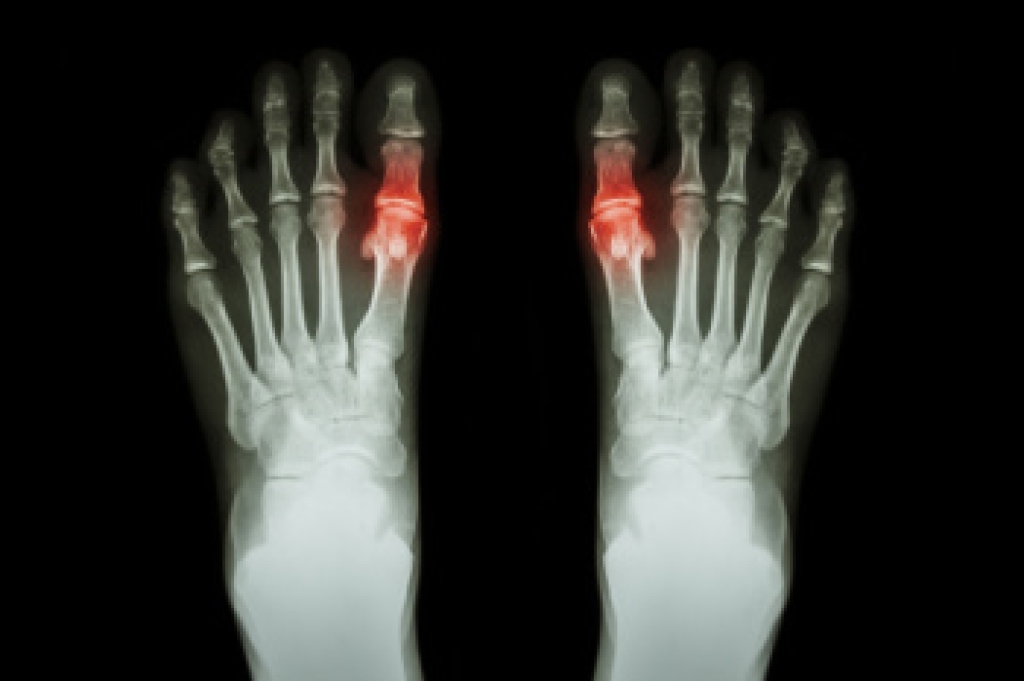
Gout attacks at night can be particularly debilitating, causing severe pain, swelling, and redness in the feet that can interfere with sleep. This form of arthritis is caused by a buildup of uric acid in the joints, often targeting the big toe, which is more susceptible to stress and cooler temperatures. Factors such as dehydration, lower body temperature, and reduced cortisol levels during sleep, can trigger these nighttime flare-ups. The pain from a gout attack can be so intense that finding relief becomes a challenge without professional help. A podiatrist can evaluate your symptoms, confirm the diagnosis, and provide treatment to help prevent future flare-ups. Recommendations may include lifestyle adjustments like dietary changes, weight management, and anti-inflammatory treatments to ease pain and swelling. Effectively managing gout not only helps protect your feet and joints but also promotes better sleep. If you are struggling with painful gout attacks at night, it is suggested that you schedule an appointment with a podiatrist.

Gout is a painful condition that can be treated. If you are seeking treatment, contact one of our podiatrists from Toms River Podiatrist . Our doctors will treat your foot and ankle needs.

What Is Gout?

Gout is a form of arthritis that is characterized by sudden, severe attacks of pain, redness, and tenderness in the joints. The condition usually affects the joint at the base of the big toe. A gout attack can occur at any random time, such as the middle of the night while you are asleep.

Symptoms

  • Intense Joint Pain - Usually around the large joint of your big toe, and it most severe within the first four to twelve hours
  • Lingering Discomfort - Joint discomfort may last from a few days to a few weeks
  • Inflammation and Redness -Affected joints may become swollen, tender, warm and red
  • Limited Range of Motion - May experience a decrease in joint mobility

Risk Factors

  • Genetics - If family members have gout, you’re more likely to have it
  • Medications - Diuretic medications can raise uric acid levels
  • Gender/Age - Gout is more common in men until the age of 60. It is believed that estrogen protects women until that point
  • Diet - Eating red meat and shellfish increases your risk
  • Alcohol - Having more than two alcoholic drinks per day increases your risk
  • Obesity - Obese people are at a higher risk for gout

Prior to visiting your podiatrist to receive treatment for gout, there are a few things you should do beforehand. If you have gout you should write down your symptoms--including when they started and how often you experience them, important medical information you may have, and any questions you may have. Writing down these three things will help your podiatrist in assessing your specific situation so that he or she may provide the best route of treatment for you.

If you have any questions, please feel free to contact our office located in Toms River, NJ . We offer the newest diagnostic and treatment technologies for all your foot care needs.
Read more about Gout

Let the Expert Treat Your Ingrown Toenails

Ingrown toenails can be painful and can make wearing shoes or walking uncomfortable. Seek professional help if you believe you've developed an ingrown toenail and be treated safely. 

Connect With Us