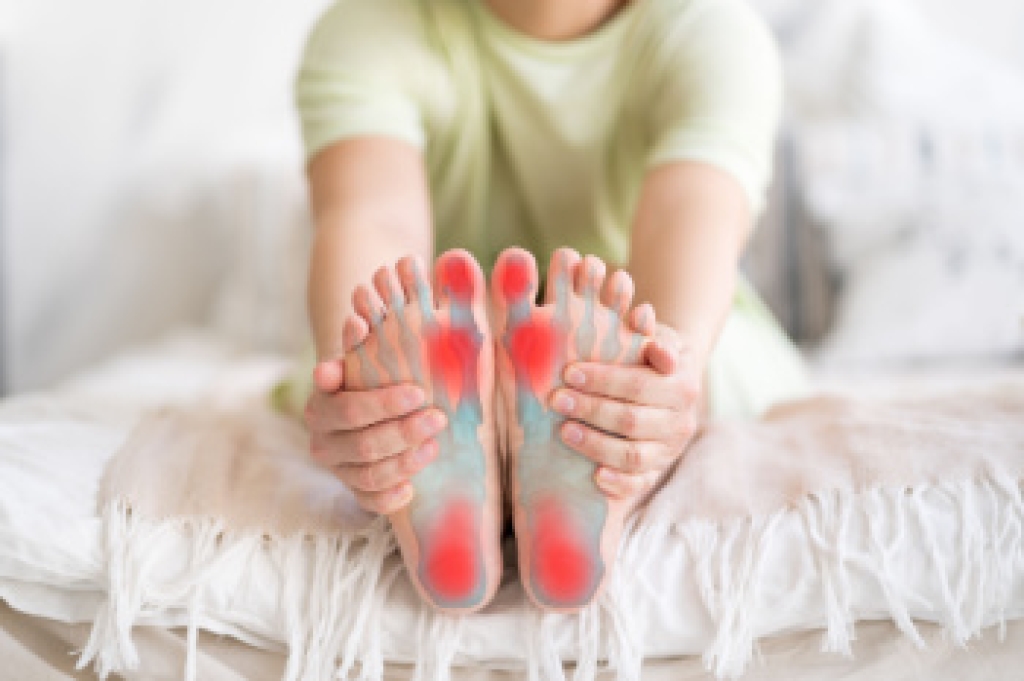
How Rheumatoid Arthritis Affects the Feet

Rheumatoid arthritis is a long-term condition that causes inflammation in the joints, often starting in the feet. In many cases, the toes or middle part of the foot are the first areas to become painful or swollen. The joints most often affected are the ones at the base of the toes, as well as the joints below the ankle. These areas can become stiff, unstable, or painful, and over time, the shape of the foot can change. Some people develop soft lumps, called nodules, that form over pressure points like the heel or the back of the ankle. Fluid-filled sacs under the ball of the foot, known as bursae, may become sore if irritated. Corns, calluses, and thick skin may build up in areas that take extra pressure, especially if walking becomes uneven. A podiatrist can provide support through an accurate diagnosis, pressure relief techniques, and long-term foot care. If you have rheumatoid arthritis that is causing foot pain, it is suggested that you schedule an appointment with a podiatrist for appropriate treatment.

Because RA affects more than just your joints, including the joints in your feet and ankles, it is important to seek early diagnosis from your podiatrist if you feel like the pain in your feet might be caused by RA. For more information, contact one of our podiatrists of Toms River Podiatrist . Our doctors will assist you with all of your podiatric concerns.

What Is Rheumatoid Arthritis?

Rheumatoid Arthritis (RA) is an autoimmune disorder in which the body’s own immune system attacks the membranes surrounding the joints. Inflammation of the lining and eventually the destruction of the joint’s cartilage and bone occur, causing severe pain and immobility.

Rheumatoid Arthritis of the Feet

Although RA usually attacks multiple bones and joints throughout the entire body, almost 90 percent of cases result in pain in the foot or ankle area.

Symptoms

  • Swelling and pain in the feet
  • Stiffness in the feet
  • Pain on the ball or sole of feet
  • Joint shift and deformation

Diagnosis

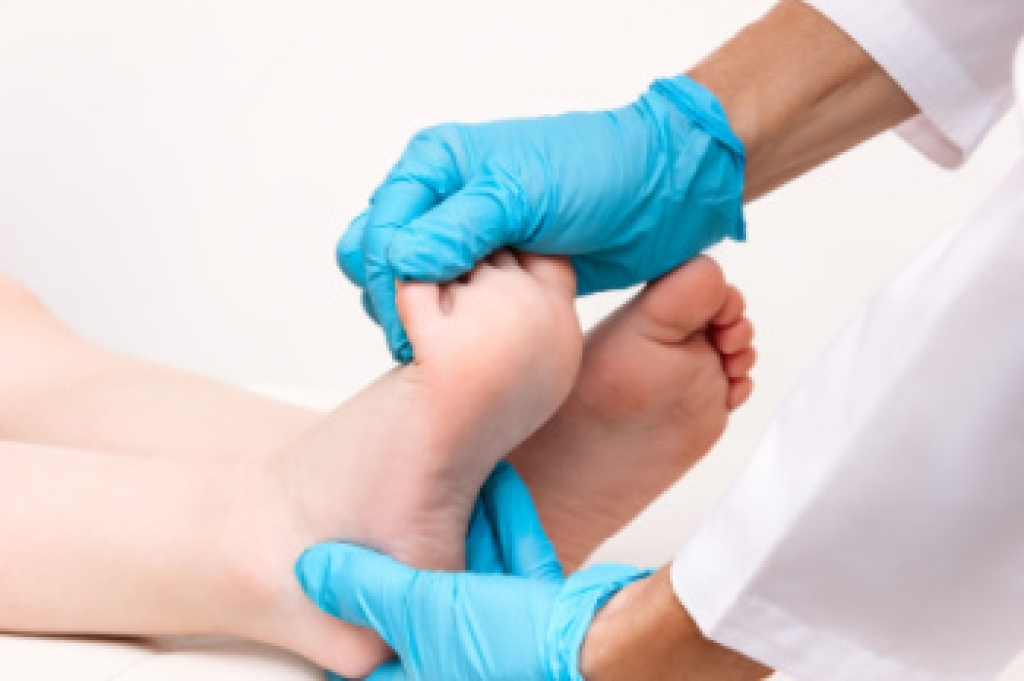
Quick diagnosis of RA in the feet is important so that the podiatrist can treat the area effectively. Your doctor will ask you about your medical history, occupation, and lifestyle to determine the origin of the condition. Rheumatoid Factor tests help to determine if someone is affected by the disease.

If you have any questions, please feel free to contact our office located in Toms River, NJ . We offer the newest diagnostic and treatment technologies for all your foot care needs.
Read more about Rheumatoid Arthritis in the Feet

Nerve Problems in Children Are Often Linked to Other Health Conditions

Some children develop nerve issues in the feet and legs as a result of other medical conditions affecting their entire body. These nerve problems, known as peripheral nerve disorders, can cause tingling, numbness, weakness, or burning sensations. In children, they may be connected to illnesses such as diabetes, autoimmune disorders, or infections. When these underlying health conditions affect how nerves send signals, it can lead to trouble with walking, balance, or coordination. Early signs are sometimes subtle, like frequent tripping or unexplained foot discomfort. Identifying the root cause is important, as treating the overall condition often improves nerve symptoms. If a child begins to show signs of nerve changes or foot pain without injury, it is suggested that you visit a podiatrist for further investigation.

Peripheral artery disease can pose a serious risk to your health. It can increase the risk of stroke and heart attack. If you have symptoms of peripheral artery disease, consult with one of our podiatrists from Toms River Podiatrist . Our doctors will assess your condition and provide you with quality foot and ankle treatment.

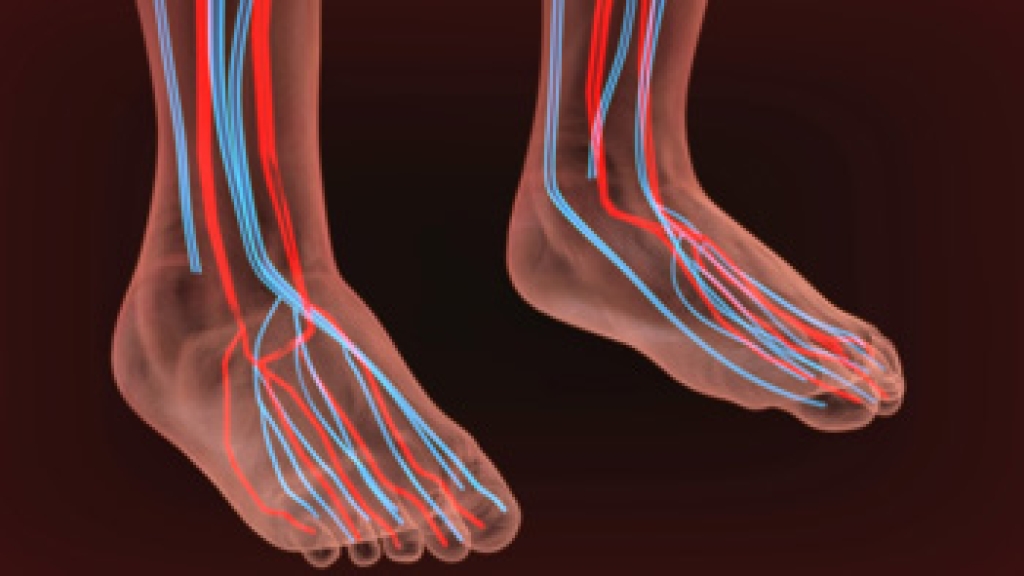
Peripheral artery disease (PAD) is when arteries are constricted due to plaque (fatty deposits) build-up. This results in less blood flow to the legs and other extremities. The main cause of PAD is atherosclerosis, in which plaque builds up in the arteries.

Symptoms

Symptoms of PAD include:

  • Claudication (leg pain from walking)
  • Numbness in legs
  • Decrease in growth of leg hair and toenails
  • Paleness of the skin
  • Erectile dysfunction
  • Sores and wounds on legs and feet that won’t heal
  • Coldness in one leg

It is important to note that a majority of individuals never show any symptoms of PAD.

Diagnosis

While PAD occurs in the legs and arteries, Podiatrists can diagnose PAD. Podiatrists utilize a test called an ankle-brachial index (ABI). An ABI test compares blood pressure in your arm to you ankle to see if any abnormality occurs. Ultrasound and imaging devices may also be used.

Treatment

Fortunately, lifestyle changes such as maintaining a healthy diet, exercising, managing cholesterol and blood sugar levels, and quitting smoking, can all treat PAD. Medications that prevent clots from occurring can be prescribed. Finally, in some cases, surgery may be recommended.

If you have any questions, please feel free to contact our office located in Toms River, NJ . We offer the newest diagnostic and treatment technologies for all your foot care needs.

Read more about Peripheral Artery Disease

Early Intervention for Poor Foot Circulation

Poor foot circulation occurs when blood flow to the feet is reduced, often leading to coldness, numbness, cramping, or skin discoloration. It can result from underlying conditions, including peripheral artery disease, diabetes, or blood clots. Contributing risk factors include smoking, high blood pressure, high cholesterol, and a sedentary lifestyle. A podiatrist can help identify poor circulation through clinical exams and noninvasive testing. This type of doctor can provide guidance on lifestyle changes, monitor for signs of tissue damage, and offer treatment options to improve vascular health. If you have foot problems related to poor circulation, it is strongly suggested that you are under the care of a podiatrist who can offer appropriate relief tips, and help you to manage this serious condition.

While poor circulation itself isn’t a condition; it is a symptom of another underlying health condition you may have. If you have any concerns with poor circulation in your feet contact one of our podiatrists of Toms River Podiatrist . Our doctors will treat your foot and ankle needs.

Poor Circulation in the Feet

Peripheral artery disease (PAD) can potentially lead to poor circulation in the lower extremities. PAD is a condition that causes the blood vessels and arteries to narrow. In a linked condition called atherosclerosis, the arteries stiffen up due to a buildup of plaque in the arteries and blood vessels. These two conditions can cause a decrease in the amount of blood that flows to your extremities, therefore resulting in pain.

Symptoms

Some of the most common symptoms of poor circulation are:

  • Numbness
  • Tingling
  • Throbbing or stinging pain in limbs
  • Pain
  • Muscle Cramps

Treatment for poor circulation often depends on the underlying condition that causes it. Methods for treatment may include insulin for diabetes, special exercise programs, surgery for varicose veins, or compression socks for swollen legs.

As always, see a podiatrist as he or she will assist in finding a regimen that suits you. A podiatrist can also prescribe you any needed medication. 

If you have any questions, please feel free to contact our office located in Toms River, NJ . We offer the newest diagnostic and treatment technologies for all your foot care needs.
Read more about Causes Symptoms and Treatment for Poor Circulation in the Feet

Keep Your Feet Healthy So You Can Stay Active

Have your feet inspected by a professional before starting a new sport or physical activity. Taking charge of your foot health will keep you in good physical condition and can help you avoid a potential injury, such as a fracture or sprained ankle.

Prevent injuries and see a foot specialist.

Building a Stronger Foundation With Foot Stretches

Strengthening the feet through targeted stretching exercises improves sensory awareness, mobility, and flexibility. These qualities help support balance, posture, and overall movement. To perform the independent toe lift, sit with your feet flat and try lifting just your big toe while keeping the others down, then reverse it. The short foot exercise is done by shortening the arch without curling the toes, pulling the ball of the foot toward the heel to engage intrinsic muscles. For the top of foot stretch, kneel with toes pointed behind and gently sit back to stretch the front of the foot and ankle. The arch stretch can be performed by sitting with one foot over the opposite knee, pulling the toes back to stretch the bottom of the foot. A podiatrist can evaluate your foot mechanics, demonstrate proper techniques, and create a plan to improve strength and reduce pain. If you experience ongoing foot discomfort, it is suggested that you consult a podiatrist who can treat the condition and guide you through safe, effective stretching routines.

Why Stretching Is Important for Your Feet

Stretching the feet is a great way to prevent injuries. If you have any concerns with your feet consult with one of our podiatrists from Toms River Podiatrist . Our doctors will assess your condition and provide you with quality foot and ankle treatment.

Stretching the Feet

Stretching the muscles in the foot is an important part in any physical activity. Feet that are tight can lead to less flexibility and make you more prone to injury. One of the most common forms of foot pain, plantar fasciitis, can be stretched out to help ease the pain. Stretching can not only ease pain from plantar fasciitis but also prevent it as well. However, it is important to see a podiatrist first to determine if stretching is right for you. Podiatrists can also recommend other ways to stretch your feet. Once you know whether stretching is right for you, here are some excellent stretches you can do.

  • Using a foam roller or any cylindrical object (a water bottle or soda can will do), roll the object under your foot back and forth. You should also exert pressure on the object. Be sure to do this to both feet for a minute. Do this exercise three times each.
  • Similar to the previous exercise, take a ball, such as a tennis ball, and roll it under your foot while seated and exert pressure on it.
  • Grab a resistance band or towel and take a seat. If you are using a towel, fold it length wise. Next put either one between the ball of your foot and heel and pull with both hands on each side towards you. Hold this for 15 seconds and then switch feet. Do this three times for each foot.
  • Finally hold your big toe while crossing one leg over the other. Pull the toe towards you and hold for 15 seconds. Once again do this three times per foot.

It is best to go easy when first stretching your foot and work your way up. If your foot starts hurting, stop exercising to ice and rest the foot. It is advised that you then see a podiatrist for help.

If you have any questions please contact our office located in Toms River, NJ . We offer the newest diagnostic and treatment technologies for all your foot and ankle needs.

Read more about Stretching Your Feet

Connect With Us