
Early Care for Children With Congenital Foot Conditions

Congenital foot problems are conditions that are present at birth. Some are easy to notice right away, while others become more obvious as a child begins standing and walking. These conditions can affect the shape, position, or movement of the feet. Some are mild and improve as a child grows. Others require prompt care to help the feet develop correctly. Examples include clubfoot, flat feet, and high-arched feet. Clubfoot causes the foot to turn inward and downward. Another condition, called metatarsus adductus, causes the front of the foot to curve inward. A podiatrist examines the feet, checks how they move, and looks for signs that the condition could affect healthy growth or normal movement. 

Some congenital foot problems become more noticeable when a child starts walking. Parents might see uneven shoe wear, frequent tripping, or a foot that points in an unusual direction. Certain conditions also affect balance and standing. A podiatrist performs a detailed examination and determines whether the problem is flexible or more rigid. Imaging tests are sometimes used to better understand the bones and joints. Care depends on the child's age, the type of condition, and how much it affects daily activities. Treatment includes custom orthotics, special casts, or braces designed to improve foot position. Some children benefit from surgery when the deformity is severe or limits normal foot function.

Regular follow-up visits allow a podiatrist to monitor foot growth and make changes to treatment as a child develops. Early care can improve walking, reduce discomfort, and support healthy foot function for many years. Parents should not ignore changes in foot shape, balance, or the way a child walks. Prompt evaluation provides valuable information and helps guide the best treatment plan. If your child is born with a foot disorder, it is suggested that you schedule an appointment with a podiatrist for effective treatment and management solutions.

Congenital foot problems require immediate attention to avoid future complications. If you have any concerns, contact one of our podiatrists of Toms River Podiatrist . Our doctors can provide the care you need to keep you pain-free and on your feet.

Congenital foot problems are deformities affecting the feet, toes, and/or ankles that children are born with. Some of these conditions have a genetic cause while others just happen. Some specific foot ailments that children may be born with include clubfeet, polydactyly/macrodactyly, and cleft foot. There are several other foot anomalies that can occur congenitally. What all of these conditions have in common is that a child may experience difficulty walking or performing everyday activities, as well as trouble finding footwear that fits their foot deformity. Some of these conditions are more serious than others. Consulting with a podiatrist as early as possible will help in properly diagnosing a child’s foot condition while getting the necessary treatment underway.

What are Causes of Congenital Foot Problem?

A congenital foot problem is one that happens to a child at birth. These conditions can be caused by a genetic predisposition, developmental or positional abnormalities during gestation, or with no known cause.

What are Symptoms of Congenital Foot Problems?

Symptoms vary by the congenital condition. Symptoms may consist of the following:

  • Clubfoot, where tendons are shortened, bones are shaped differently, and the Achilles tendon is tight, causing the foot to point in and down. It is also possible for the soles of the feet to face each other.
  • Polydactyly, which usually consists of a nubbin or small lump of tissue without a bone, a toe that is partially formed but has no joints, or an extra toe.
  • Vertical talus, where the talus bone forms in the wrong position causing other bones in the foot to line up improperly, the front of the foot to point up, and the bottom of the foot to stiffen, with no arch, and to curve out.
  • Tarsal coalition, when there is an abnormal connection of two or more bones in the foot leading to severe, rigid flatfoot.
  • Cleft foot, where there are missing toes, a V-shaped cleft, and other anatomical differences.
  • Macrodactyly, when the toes are abnormally large due to overgrowth of the underlying bone or soft tissue.

Treatment and Prevention

While there is nothing one can do to prevent congenital foot problems, raising awareness and receiving neonatal screenings are important. Early detection by taking your child to a podiatrist leads to the best outcome possible.

If you have any questions, please feel free to contact our office located in Toms River, NJ . We offer the newest diagnostic and treatment technologies for all your foot care needs.
Read more about Congenital Foot Problems

What Causes Foot Blisters and How a Podiatrist Can Help

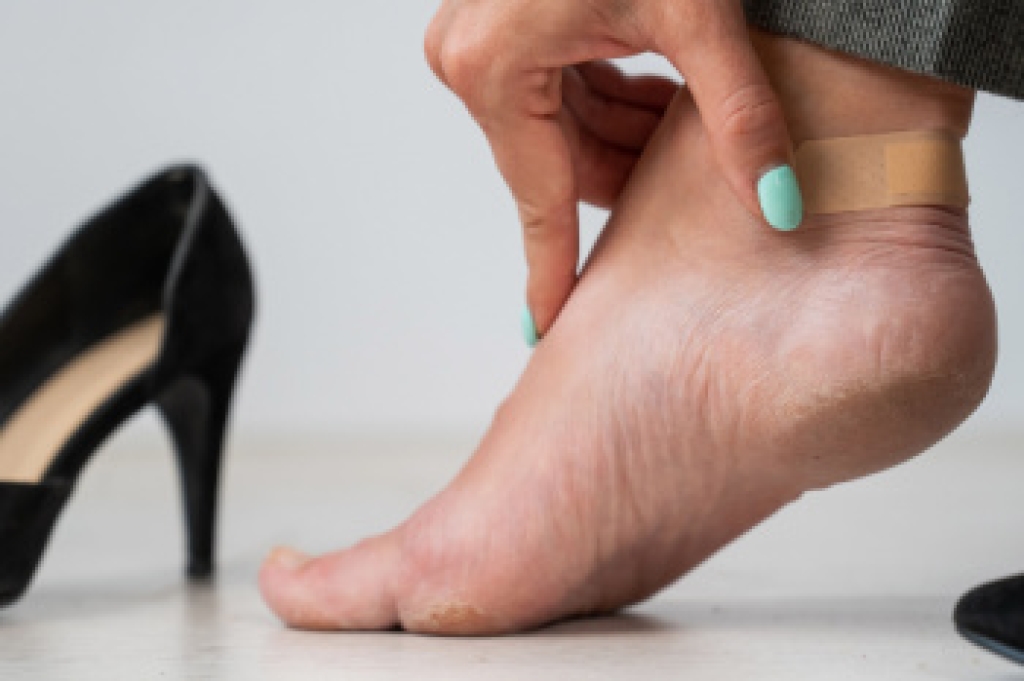
Blisters are fluid-filled pockets that develop beneath the outer layer of skin after it becomes damaged or irritated. They frequently form on the feet because of repeated rubbing, pressure, or exposure to heat. The fluid inside a blister cushions the injured area and helps protect the skin while it heals. Blisters can make standing, wearing shoes, and walking painful. The skin around the blister can become tender, red, and swollen. Larger blisters sometimes make it difficult to move comfortably, especially when they develop on the heel, toes, or ball of the foot. Because other skin conditions can resemble blisters, a podiatrist can determine the exact cause and recommend the most appropriate treatment.

Repeated friction is one of the leading causes of foot blisters. Wearing shoes that do not fit properly or shoes that lack proper support can increase rubbing against the skin. Long periods of walking, running, or participating in sports also place extra stress on the feet. Burns, allergic reactions, and certain skin conditions can lead to blister formation as well. In some cases, blisters develop because of a medical condition that affects the skin. A podiatrist performs a careful examination to identify the reason for the blister and to determine whether an infection or another problem is present. This evaluation helps guide treatment and protects the surrounding skin from further damage.

Treatment depends on the size, location, and cause of the blister. A podiatrist can safely drain a painful blister when appropriate while protecting the healthy skin covering the area. Prescription medication is sometimes recommended when infection or inflammation is present. Patients with repeated blisters can benefit from custom orthotics that improve foot function and reduce pressure on sensitive areas. A podiatrist can also identify problems with foot structure that increase friction and recommend treatments that lower the chance of future blisters. If you have symptoms of blisters, it is suggested that you make an appointment with a podiatrist for diagnosis and treatment.

Blisters may appear as a single bubble or in a cluster. They can cause a lot of pain and may be filled with pus, blood, or watery serum. If your feet are hurting, contact one of our podiatrists of Toms River Podiatrist . Our doctors can provide the care you need to keep you pain-free and on your feet.

Foot Blisters

Foot blisters are often the result of friction. This happens due to the constant rubbing from shoes, which can lead to pain.

What Are Foot Blisters?

A foot blister is a small fluid-filled pocket that forms on the upper-most layer of the skin. Blisters are filled with clear fluid and can lead to blood drainage or pus if the area becomes infected.

Symptoms

(Blister symptoms may vary depending on what is causing them)

  • Bubble of skin filled with fluid
  • Redness
  • Moderate to severe pain
  • Itching

Prevention & Treatment

In order to prevent blisters, you should be sure to wear comfortable shoes with socks that cushion your feet and absorb sweat. Breaking a blister open may increase your chances of developing an infection. However, if your blister breaks, you should wash the area with soap and water immediately and then apply a bandage to the affected area. If your blisters cause severe pain it is important that you call your podiatrist right away.

If you have any questions, please feel free to contact our office located in Toms River, NJ . We offer the newest diagnostic and treatment technologies for all your foot care needs.
Read more about Blisters on the Feet

When to Seek Treatment for Hammertoe

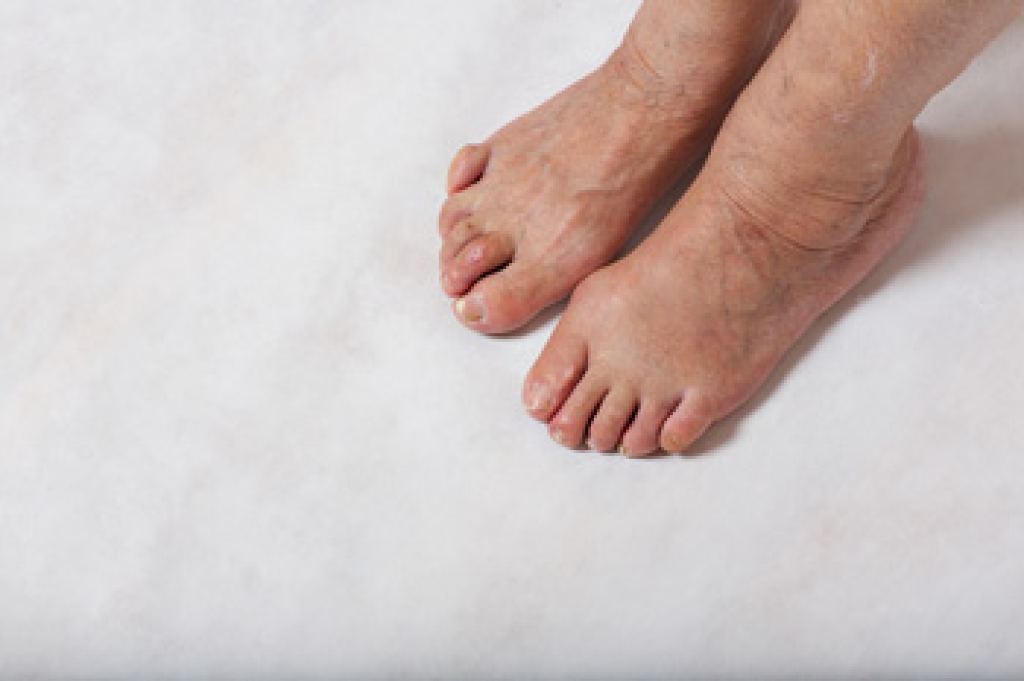
Hammertoe is a foot deformity that causes one or more toes to bend abnormally at the middle joint, creating a curled or hammer-like appearance. The condition most often affects the second, third, or fourth toes and can develop gradually. In the early stages, the affected toe may still be flexible, but it can become more rigid as the condition progresses. Hammertoe may cause discomfort while walking, standing, or wearing shoes. Many people also develop corns, calluses, or areas of irritation where the bent toe rubs against footwear. Because hammertoe can worsen over time, early evaluation is important for maintaining foot health and mobility.

Several factors may contribute to the development of hammertoe. Muscle imbalances within the foot can cause the toe to remain in a bent position, while certain foot structures may increase the likelihood of the condition. Previous injuries and underlying joint conditions can also play a role. As the toe becomes more contracted, pressure on the affected joint often increases. This added stress can lead to pain, swelling, and difficulty fitting comfortably into shoes. In some cases, hammertoe may affect balance and walking patterns, placing additional strain on other areas of the foot. Identifying the cause of the condition is an important step in determining the most effective treatment approach.

A podiatrist can evaluate the severity of hammertoe and assess how the condition is affecting overall foot function. Through a comprehensive examination, a podiatrist can identify contributing factors and recommend appropriate treatment options. Professional care focuses on improving comfort, reducing pressure on the affected toe, and helping maintain proper foot mechanics. Early intervention may help prevent the condition from becoming more severe and reduce the risk of complications. Maintaining healthy foot alignment is important for long-term mobility and comfort. If you have developed hammertoe, it is suggested that you consult a podiatrist for an evaluation and appropriate treatment options.

Hammertoes can be a painful condition to live with. For more information, contact one of our podiatrists of Toms River Podiatrist . Our doctors will answer any of your foot- and ankle-related questions.

Hammertoe

Hammertoe is a foot deformity that occurs due to an imbalance in the muscles, tendons, or ligaments that normally hold the toe straight. It can be caused by the type of shoes you wear, your foot structure, trauma, and certain disease processes.

Symptoms

  • Painful and/or difficult toe movement
  • Swelling
  • Joint stiffness
  • Calluses/Corns
  • Physical deformity

Risk Factors

  • Age – The risk of hammertoe increases with age
  • Sex – Women are more likely to have hammertoe compared to men
  • Toe Length – You are more likely to develop hammertoe if your second toe is longer than your big toe
  • Certain Diseases – Arthritis and diabetes may make you more likely to develop hammertoe

Treatment

If you have hammertoe, you should change into a more comfortable shoe that provides enough room for your toes. Exercises such as picking up marbles may strengthen and stretch your toe muscles. Nevertheless, it is important to seek assistance from a podiatrist in order to determine the severity of your hammertoe and see which treatment option will work best for you.

If you have any questions, please feel free to contact our office located in Toms River, NJ . We offer the newest diagnostic and treatment technologies for all your foot care needs.

Read more about Hammertoe

Plantar Fasciitis and the Role of the Windlass Mechanism

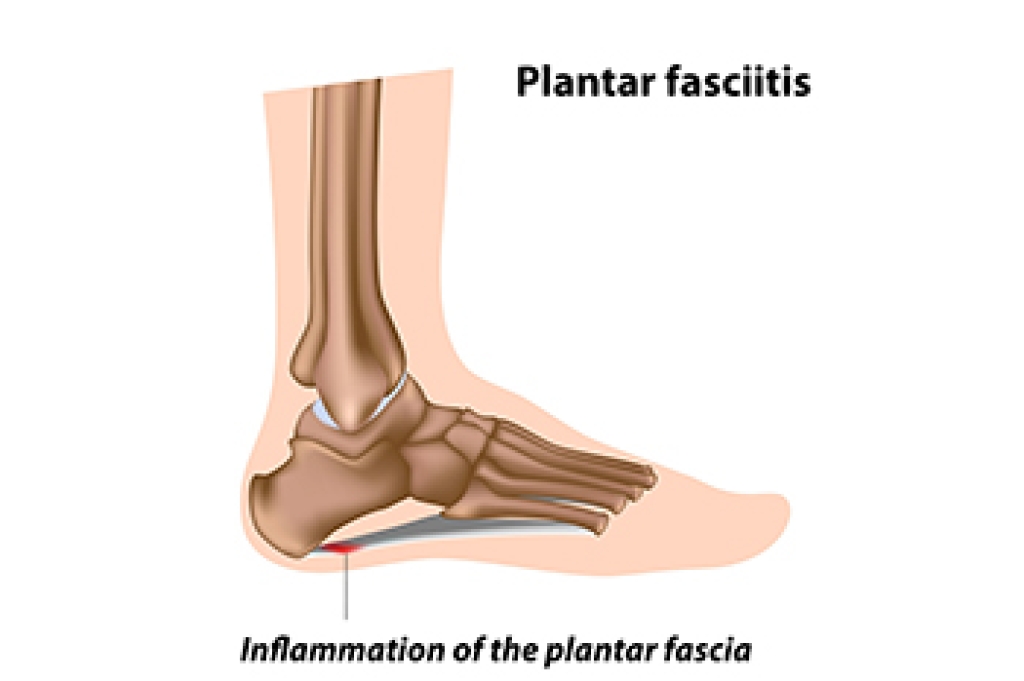
Plantar fasciitis is one of the most common causes of heel pain. It affects individuals who place repetitive stress on the bottom of the foot. It occurs when the plantar fascia, a thick band of connective tissue that supports the arch, becomes irritated or develops micro-tears. This tissue runs from the heel bone to the toes and plays a vital role in maintaining proper foot mechanics. A key concept in understanding this condition is called the windlass mechanism. This describes how the plantar fascia tightens as the toes extend while walking, helping to stabilize the arch and create an efficient push-off phase.

Symptoms of plantar fasciitis typically include sharp heel pain that is most noticeable with the first steps in the morning or after periods of rest. The discomfort may decrease with activity but often returns after prolonged standing or walking. Patients may also report stiffness in the arch, tenderness along the heel, and increased pain after exercise rather than during it. These symptoms are often linked to strain within the plantar fascia and dysfunction in the windlass mechanism, which reduces the foot's ability to absorb and distribute forces effectively.


Several risk factors contribute to the development of plantar fasciitis. Individuals with flat feet or high arches may experience abnormal stress on the plantar fascia. Occupations that require prolonged standing, such as teaching or retail work, can increase strain on the heel. Wearing improper footwear, especially shoes with poor arch support, can further disrupt foot mechanics. Tight calf muscles and limited ankle mobility may also interfere with the windlass mechanism, placing additional tension on the plantar fascia during movement.


It is important to know that plantar fasciitis is both a structural and functional condition that benefits from early attention and proper support. Understanding how the windlass mechanism contributes to foot stability highlights the importance of maintaining flexibility and strength in the lower extremity. If you have symptoms of plantar fasciitis, it is suggested you consult a podiatrist for effective relief and treatment solutions.

Plantar fasciitis can be very painful and inconvenient. If you are experiencing heel pain or symptoms of plantar fasciitis, contact one of our podiatrists  from Toms River Podiatrist . Our doctors can provide the care you need to keep you pain-free and on your feet.

What Is Plantar Fasciitis?

Plantar fasciitis is the inflammation of the thick band of tissue that runs along the bottom of your foot, known as the plantar fascia, and causes mild to severe heel pain.

What Causes Plantar Fasciitis?

  • Excessive running
  • Non-supportive shoes
  • Overpronation
  • Repeated stretching and tearing of the plantar fascia

How Can It Be Treated?

  • Conservative measures – anti-inflammatories, ice packs, stretching exercises, physical therapy, orthotic devices
  • Shockwave therapy – sound waves are sent to the affected area to facilitate healing and are usually used for chronic cases of plantar fasciitis
  • Surgery – usually only used as a last resort when all else fails. The plantar fascia can be surgically detached from the heel

While very treatable, plantar fasciitis is definitely not something that should be ignored. Especially in severe cases, speaking to your doctor right away is highly recommended to avoid complications and severe heel pain. Your podiatrist can work with you to provide the appropriate treatment options tailored to your condition.

If you have any questions, please feel free to contact our office located in Toms River, NJ . We offer the newest diagnostic and treatment technologies for all your foot care needs.

Read more about Plantar Fasciitis

Reminder: When Was the Last Time...?

Custom orthotics, or shoe inserts, should be periodically replaced. Orthotics must fit properly to give you the best results. Protect your feet and ankles!

Connect With Us