What Causes Cracked Heels?

When the skin on the heel dries out and loses its strength and elasticity, the heel becomes hard, dry, and flaky. This leads to splitting, or fissuring and cracking, of skin around the heel which is more commonly known as cracked heels. While cracked heels usually form because of dry skin, wearing open-backed shoes, gaining weight, and increased friction from the back of the shoes can all lead to cracked heels forming as well. Common methods for managing cracked heels include moisturizing the heels twice per day, soaking the feet in warm water, and using a pumice stone on the affected area. However, excessively dry skin can indicate other problems such as neuropathy or diabetes. Patients who continually struggle with cracked heels should consult with a podiatrist to find the source of their issue.  

Cracked heels are unsightly and can cause further damage to your shoes and feet. If you have any concerns, contact one of our podiatrists from Toms River Podiatrist . Our doctors can provide the care you need to keep you pain-free and on your feet.

Cracked Heels

Cracked heels appear unappealing and can make it harder for you walk around in sandals. Aside from looking unpleasant, cracked heels can also tear stockings, socks, and wear out your shoes. There are several methods to help restore a cracked heel and prevent further damage.

How Do You Get Them?

Dry skin is the number one culprit in creating cracked heels. Many athletes, walkers, joggers, and even swimmers suffer from cracked heels. Age and skin oil production play a role to getting cracked heels as well.

Promote Healing

Over the counter medicines can help, especially for those that need instant relief or who suffer from chronic dry feet.

Wear Socks – Wearing socks with medicated creams helps lock in moisture.

Moisturizers – Applying both day and night will help alleviate dryness which causes cracking.

Pumice Stones – These exfoliate and remove dead skin, which allows for smoother moisturizer application and better absorption into the skin. 

Change in Diet

Eating healthy with a well-balanced diet will give the skin a fresh and radiant look. Your body responds to the kinds of food you ingest. Omega-3 fatty acids and zinc supplements can also revitalize skin tissue.

Most importantly, seek professional help if unsure how to proceed in treating cracked heels. A podiatrist will help you with any questions or information needed. 

If you have any questions, please feel free to contact our office located in Toms River, NJ . We offer the newest diagnostic and treatment technologies for all your foot care needs.

Read more about Solutions for Cracked Heels

Foot Pain in Diabetic Patients

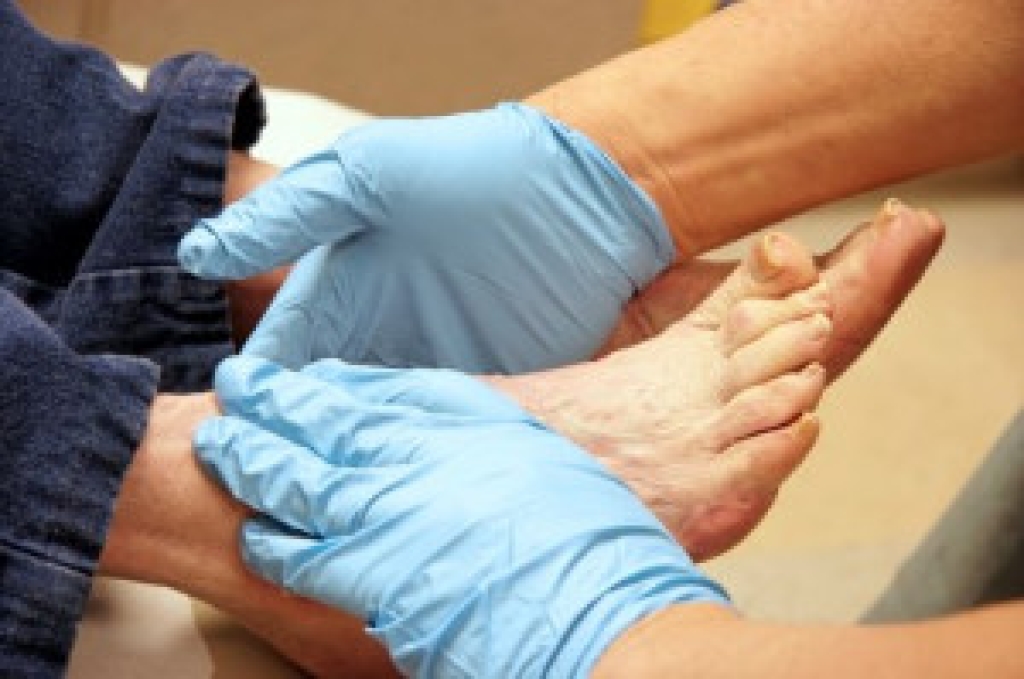
Foot pain that is common among diabetic patients is often caused by elevated blood sugar levels. Intense pain and poor circulation in the feet can be a result of damaged nerve endings that is caused by high glucose levels. Patients who have diabetic foot pain can experience tingling sensations, numbness, and existing wounds may take longer to heal. Some of the foot conditions that can develop if foot pain is left untreated can include calluses, ulcers, cracked skin, and possible amputations. Methods that can be implemented which may help to avoid diabetic foot problems can consist of incorporating exercise and healthy eating habits into your daily routine, and checking your feet daily for cuts and bruises. Additionally, it can be beneficial to wear shoes while inside, as this may limit the number of wounds that can develop on the feet. If you have diabetes, it is strongly suggested that you are under the care of a podiatrist who can effectively help you to manage this condition.

Diabetic foot care is important in preventing foot ailments such as ulcers. If you are suffering from diabetes or have any other concerns about your feet, contact one of our podiatrists from Toms River Podiatrist . Our doctors can provide the care you need to keep you pain-free and on your feet.

Diabetic Foot Care

Diabetes affects millions of people every year. The condition can damage blood vessels in many parts of the body, especially the feet. Because of this, taking care of your feet is essential if you have diabetes, and having a podiatrist help monitor your foot health is highly recommended.

The Importance of Caring for Your Feet

  • Routinely inspect your feet for bruises or sores.
  • Wear socks that fit your feet comfortably.
  • Wear comfortable shoes that provide adequate support.

Patients with diabetes should have their doctor monitor their blood levels, as blood sugar levels play such a huge role in diabetic care. Monitoring these levels on a regular basis is highly advised.

It is always best to inform your healthcare professional of any concerns you may have regarding your feet, especially for diabetic patients. Early treatment and routine foot examinations are keys to maintaining proper health, especially because severe complications can arise if proper treatment is not applied.

If you have any questions, please feel free to contact our office located in Toms River, NJ . We offer the newest diagnostic and treatment technologies for all your foot care needs.
Read more about Diabetic Foot Conditions

Caring for Your Child’s Feet

Good foot care is not beneficial only for adults, but also for children. You can put your child on the path to a lifetime of healthy feet by following a few simple tips. If you have a young child, let them walk around barefoot where it is safe to do so. Young, growing feet build strength and flexibility as they walk barefoot. Wash and dry your child’s feet daily to promote good foot hygiene and prevent skin and nail problems. Trim your child’s toenails regularly, cutting them straight across and not too short to reduce the risk of ingrown toenails. Finally, choose the right shoes and socks for your child. They should fit the child’s feet well, be supportive and comfortable, and be made of breathable materials. If your child complains of any foot pain, or if you notice any worrisome changes to their feet, please consult with a podiatrist. 

Making sure that your children maintain good foot health is very important as they grow. If you have any questions, contact one of our podiatrists of Toms River Podiatrist . Our doctors can provide the care you need to keep you pain-free and on your feet.

Keeping Children's Feet Healthy

Having healthy feet during childhood can help prevent medical problems later in life, namely in the back and legs. As children grow, their feet require different types of care. Here are some things to consider...

Although babies do not walk yet, it is still very important to take care of their feet.

Avoid putting tight shoes or socks on his or her feet.

Allow the baby to stretch and kick his or her feet to feel comfortable.

As a toddler, kids are now on the move and begin to develop differently. At this age, toddlers are getting a feel for walking, so don’t be alarmed if your toddler is unsteady or ‘walks funny’. 

As your child gets older, it is important to teach them how to take care of their feet.

Show them proper hygiene to prevent infections such as fungus.

Be watchful for any pain or injury.

Have all injuries checked by a doctor as soon as possible.

Comfortable, protective shoes should always be worn, especially at play.

If you have any questions, please feel free to contact our office located in Toms River, NJ . We offer the newest diagnostic and treatment technologies for all your foot care needs.

Read more about What to Do to Keep Your Child’s Feet Healthy

What Types of Exercises Should I Do for a Sprained Ankle?

Following an ankle sprain, doing gentle ankle exercises can be beneficial, although you should first get your doctor’s approval. Ankle exercises are great for ankle sprain recovery because they can improve your ankle’s range of motion, strength, stability, and flexibility, which can promote healing and help prevent future injuries. One simple exercise that you can do to improve your ankle’s range of motion is the “ankle alphabet.” Sit on a chair or couch with your leg extended out in front of you. Trace the letters of the alphabet, from A to Z, in the air using your big toe. Repeat this exercise two to three times. To learn more about the benefits of ankle exercises for ankle sprain recovery, please consult with a podiatrist. 

Ankle sprains are common but need immediate attention. If you need your feet checked, contact one of our podiatrists from Toms River Podiatrist . Our doctors can provide the care you need to keep you pain-free and on your feet.

How Does an Ankle Sprain Occur?

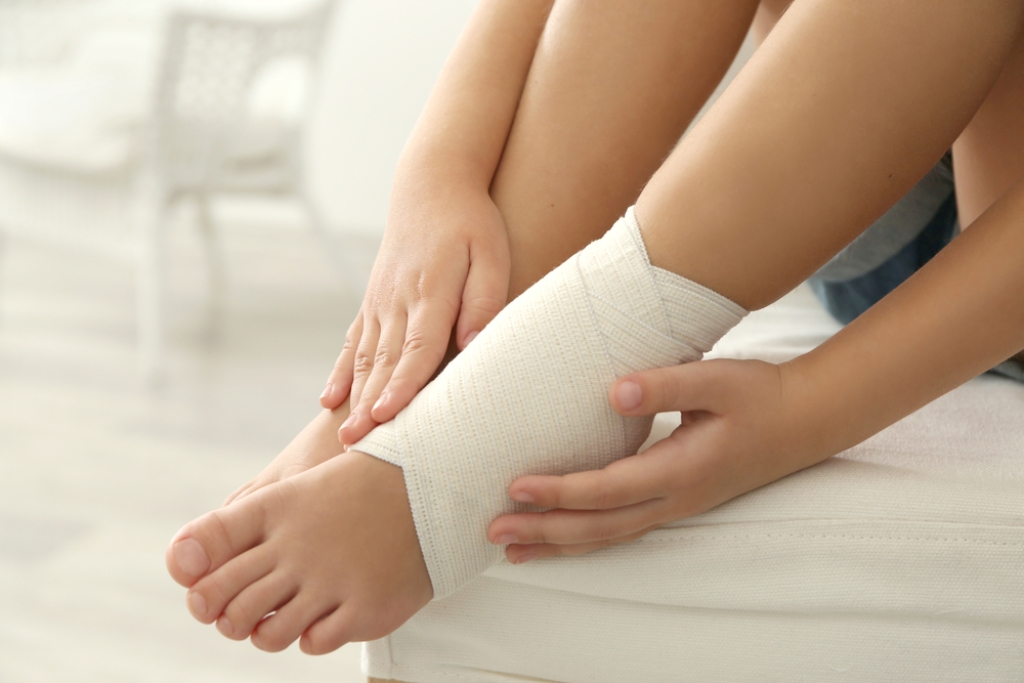
Ankle sprains take place when the ligaments in your ankle are torn or stretched beyond their limits. There are multiple ways that the ankle can become injured, including twisting or rolling over onto your ankle, putting undue stress on it, or causing trauma to the ankle itself.

What Are the Symptoms?

  • Mild to moderate bruising
  • Limited mobility
  • Swelling
  • Discoloration of the skin (depending on severity)

Preventing a Sprain

  • Wearing appropriate shoes for the occasion
  • Stretching before exercises and sports
  • Knowing your limits

Treatment of a Sprain

Treatment of a sprain depends on the severity.  Many times, people are told to rest and remain off their feet completely, while others are given an air cast. If the sprain is very severe, surgery may be required.

If you have suffered an ankle sprain previously, you may want to consider additional support such as a brace and regular exercises to strengthen the ankle.

If you have any questions please feel free to contact our office located in Toms River, NJ . We offer the newest diagnostic tools and technology to treat your foot and ankle needs.

Read more about Ankle Sprains

Connect With Us