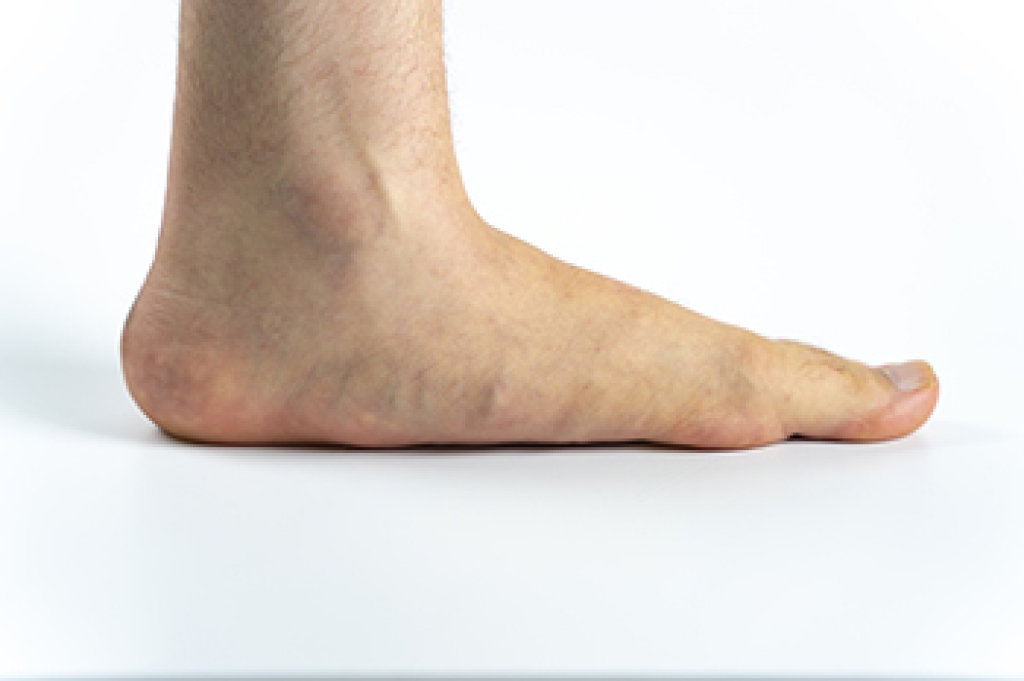
Issues With Flat Feet

Flat feet, sometimes called fallen arches, occur when the arch on the inside of the foot is very low or absent, causing most or all of the sole to touch the ground. Some people are born with flat feet, while others develop the condition later in life. The most common type is flexible flatfoot, where an arch can be seen when sitting or standing on tiptoes but disappears when weight is placed on the foot. A less common type, called rigid flatfoot, occurs when the arch is absent at all times due to the way the bones are formed. Flat feet can also develop during adulthood as a result of tendon problems, injury, or certain neurological conditions. While some people have no symptoms, others may experience foot pain, fatigue, or difficulty with prolonged standing and walking. A podiatrist can evaluate the structure and function of the feet, analyze walking patterns, and recommend appropriate treatment. This may include supportive footwear, stretching exercises, or custom orthotics. If flat feet are causing discomfort, it is suggested that you schedule an appointment with a podiatrist.

Flatfoot is a condition many people suffer from. If you have flat feet, contact one of our podiatrists from Toms River Podiatrist . Our doctors will treat your foot and ankle needs.

What Are Flat Feet?

Flatfoot is a condition in which the arch of the foot is depressed and the sole of the foot is almost completely in contact with the ground. About 20-30% of the population generally has flat feet because their arches never formed during growth.

Conditions & Problems:

Having flat feet makes it difficult to run or walk because of the stress placed on the ankles.

Alignment – The general alignment of your legs can be disrupted, because the ankles move inward which can cause major discomfort.

Knees – If you have complications with your knees, flat feet can be a contributor to arthritis in that area.  

Symptoms

  • Pain around the heel or arch area
  • Trouble standing on the tip toe
  • Swelling around the inside of the ankle
  • Flat look to one or both feet
  • Having your shoes feel uneven when worn

Treatment

If you are experiencing pain and stress on the foot you may weaken the posterior tibial tendon, which runs around the inside of the ankle. 

If you have any questions, please feel free to contact our office located in Toms River, NJ . We offer the newest diagnostic and treatment technologies for all your foot care needs.

Read more about What is Flexible Flat Foot?

What Can Influence Bunion Formation

A bunion develops when the big toe gradually shifts out of normal alignment, creating a noticeable bump near its base. Several factors can increase the likelihood of this condition. Family history plays a major role, as inherited foot structure may make some people more prone to joint instability. Footwear that crowds the toes or places repeated pressure on the front of the foot can worsen mechanical stress, over time. Flat feet or abnormal walking patterns may also change how weight is distributed across the joint. Inflammatory joint conditions can weaken support around the area and contribute to progression. Women are affected more often, partly due to both foot structure and footwear habits. A podiatrist can assess alignment, movement, and pressure patterns to guide treatment decisions. If you notice big toe shifting or joint pain, it is suggested that you visit a podiatrist for a proper diagnosis and appropriate treatment.

If you are suffering from bunion pain, contact one of our podiatrists of Toms River Podiatrist . Our doctors can provide the care you need to keep you pain-free and on your feet.

What Is a Bunion?

Bunions are painful bony bumps that usually develop on the inside of the foot at the joint of the big toe. As the deformity increases over time, it may become painful to walk and wear shoes. Women are more likely to exacerbate existing bunions since they often wear tight, narrow shoes that shift their toes together. Bunion pain can be relieved by wearing wider shoes with enough room for the toes.

Causes

  • Genetics – some people inherit feet that are more prone to bunion development
  • Inflammatory Conditions - rheumatoid arthritis and polio may cause bunion development

Symptoms

  • Redness and inflammation
  • Pain and tenderness
  • Callus or corns on the bump
  • Restricted motion in the big toe

In order to diagnose your bunion, your podiatrist may ask about your medical history, symptoms, and general health. Your doctor might also order an x-ray to take a closer look at your feet. Nonsurgical treatment options include orthotics, padding, icing, changes in footwear, and medication. If nonsurgical treatments don’t alleviate your bunion pain, surgery may be necessary.

If you have any questions, please feel free to contact our office located in Toms River, NJ . We offer the newest diagnostic and treatment technologies for all your foot care needs.

Read more about Bunions

Gout and Pain in the Big Toe

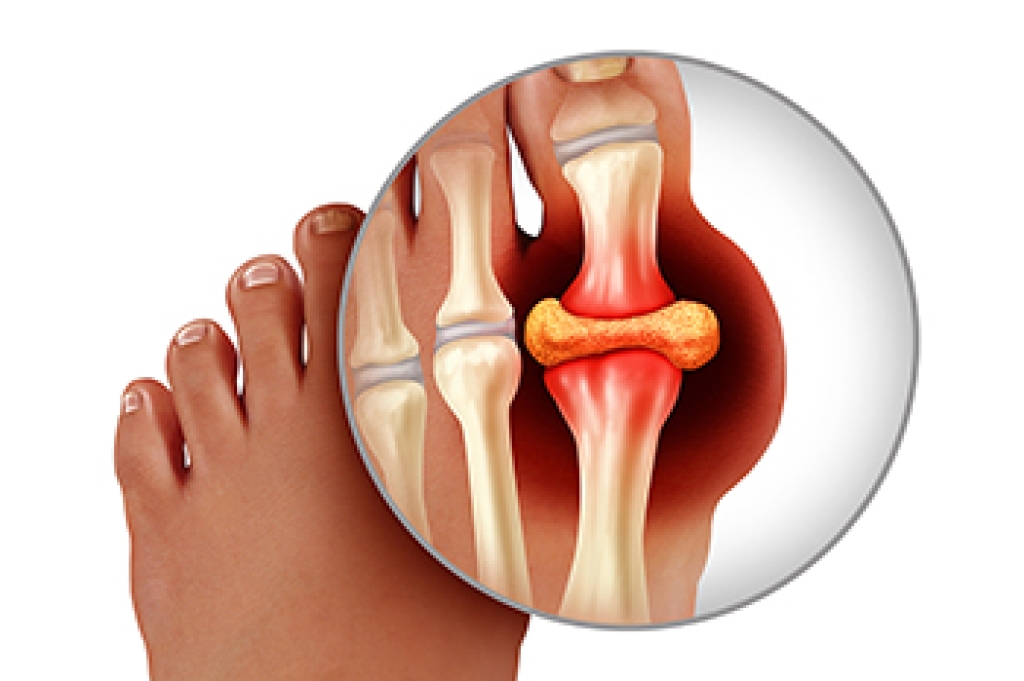
Gout is a form of inflammatory arthritis caused by the buildup of urate crystals in the joints. These crystals form when uric acid levels in the body become elevated, leading to sudden and painful flare-ups. The big toe is commonly affected because of stress and lower temperature in the joint. Risk factors include male gender, alcohol intake, certain diets, and underlying health conditions. Symptoms include severe pain in the big toe, swelling, redness, and tenderness in the foot. The discomfort can appear quickly and limit movement. A podiatrist can help manage symptoms, provide guidance on lifestyle changes, and recommend treatments to reduce inflammation. If you have symptoms of gout, it is suggested that you are under the care of a podiatrist who can offer relief and management tips for this painful condition.

Gout is a painful condition that can be treated. If you are seeking treatment, contact one of our podiatrists from Toms River Podiatrist . Our doctors will treat your foot and ankle needs.

What Is Gout?

Gout is a form of arthritis that is characterized by sudden, severe attacks of pain, redness, and tenderness in the joints. The condition usually affects the joint at the base of the big toe. A gout attack can occur at any random time, such as the middle of the night while you are asleep.

Symptoms

  • Intense Joint Pain - Usually around the large joint of your big toe, and it most severe within the first four to twelve hours
  • Lingering Discomfort - Joint discomfort may last from a few days to a few weeks
  • Inflammation and Redness -Affected joints may become swollen, tender, warm and red
  • Limited Range of Motion - May experience a decrease in joint mobility

Risk Factors

  • Genetics - If family members have gout, you’re more likely to have it
  • Medications - Diuretic medications can raise uric acid levels
  • Gender/Age - Gout is more common in men until the age of 60. It is believed that estrogen protects women until that point
  • Diet - Eating red meat and shellfish increases your risk
  • Alcohol - Having more than two alcoholic drinks per day increases your risk
  • Obesity - Obese people are at a higher risk for gout

Prior to visiting your podiatrist to receive treatment for gout, there are a few things you should do beforehand. If you have gout you should write down your symptoms--including when they started and how often you experience them, important medical information you may have, and any questions you may have. Writing down these three things will help your podiatrist in assessing your specific situation so that he or she may provide the best route of treatment for you.

If you have any questions, please feel free to contact our office located in Toms River, NJ . We offer the newest diagnostic and treatment technologies for all your foot care needs.
Read more about Gout

Heel Pain Can Be Treated!

Do you suffer from heel pain when you get up in the morning? If so, you should seek professional help and have a proper diagnosis performed. Heel pain can be caused by several different foot-related conditions.

Diagnosing Peripheral Neuropathy in Diabetic Patients

Peripheral neuropathy is a condition that develops when nerves outside the brain and spinal cord become damaged. Diabetes is one of the most common causes of this problem. High blood sugar can damage nerves in the feet and reduce healthy blood flow. This makes it harder for the nerves to function properly. Symptoms include burning pain, tingling, and numbness. Weakness and a pins-and-needles feeling in the feet are also common. Symptoms can become worse when walking and may affect balance and stability. Lack of sensation in the feet also raises the risk of cuts, sores, and infections going unnoticed. A podiatrist can examine the feet, check nerve function, and order diagnostic testing to identify nerve damage and its cause. Treatment focuses on reducing symptoms, protecting the feet from further damage, and improving comfort and mobility. If you have symptoms of peripheral neuropathy, it is suggested that you schedule an appointment with a podiatrist for a diagnosis and management options.

Diabetic foot care is important in preventing foot ailments such as ulcers. If you are suffering from diabetes or have any other concerns about your feet, contact one of our podiatrists from Toms River Podiatrist . Our doctors can provide the care you need to keep you pain-free and on your feet.

Diabetic Foot Care

Diabetes affects millions of people every year. The condition can damage blood vessels in many parts of the body, especially the feet. Because of this, taking care of your feet is essential if you have diabetes, and having a podiatrist help monitor your foot health is highly recommended.

The Importance of Caring for Your Feet

  • Routinely inspect your feet for bruises or sores.
  • Wear socks that fit your feet comfortably.
  • Wear comfortable shoes that provide adequate support.

Patients with diabetes should have their doctor monitor their blood levels, as blood sugar levels play such a huge role in diabetic care. Monitoring these levels on a regular basis is highly advised.

It is always best to inform your healthcare professional of any concerns you may have regarding your feet, especially for diabetic patients. Early treatment and routine foot examinations are keys to maintaining proper health, especially because severe complications can arise if proper treatment is not applied.

If you have any questions, please feel free to contact our office located in Toms River, NJ . We offer the newest diagnostic and treatment technologies for all your foot care needs.

Read more about Diabetic Foot Care

Connect With Us