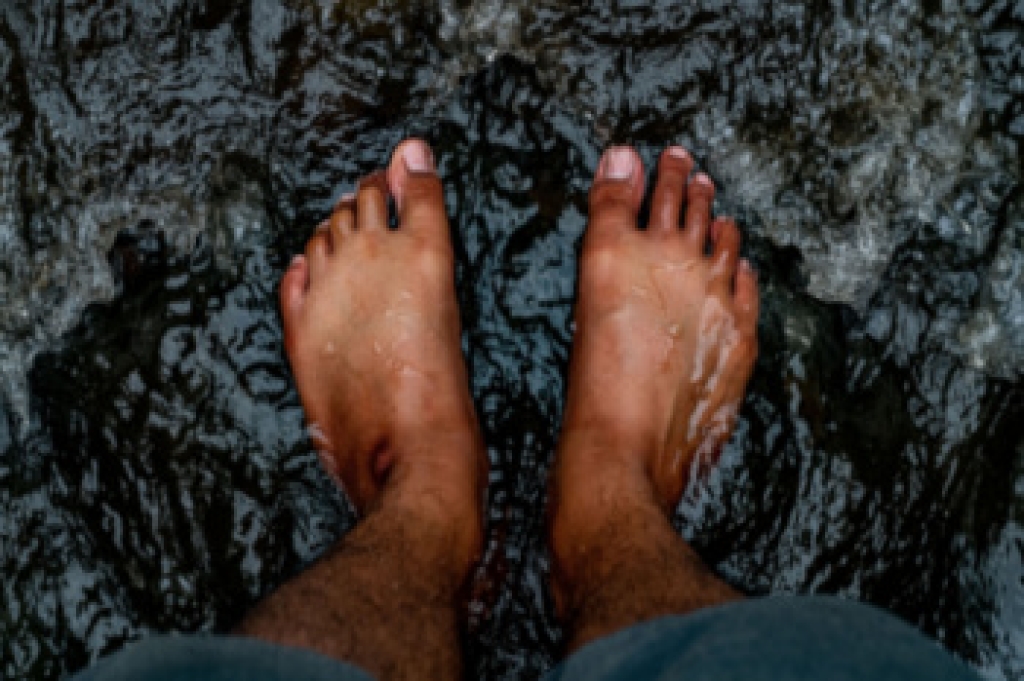
Understanding Hammertoe and Its Symptoms

Hammertoe develops when a toe bends upward at its middle joint, creating a raised shape. It usually affects the second, third, or fourth toe. The bend develops when muscles and tendons that control the toe become unbalanced. Tendons are strong tissues that connect muscles to bones.  wearing tight shoes with narrow toe areas may increase pressure and discomfort. Other contributing factors include foot structure, previous injuries, and certain joint conditions. Symptoms include pain, stiffness, and redness where the bent toe rubs against a shoe. Corns or thickened skin may form over the raised joint. Early hammertoe may remain flexible, allowing the toe to straighten. Later, the joint may become rigid and harder to move. Identifying these changes helps guide treatment before discomfort becomes more severe.

A podiatrist examines the affected toe and checks its position, flexibility, and tenderness. The examination also looks for pressure marks and changes in nearby joints. X-rays may help assess bone alignment when the deformity is pronounced. Treatment focuses on reducing painful pressure and improving foot function. A podiatrist may recommend shoes with a wider toe area to provide more room. Professionally fitted padding may protect irritated skin from rubbing. Custom orthotic inserts may help distribute pressure across the foot when appropriate. For a flexible hammertoe, guided exercises may help maintain movement and support nearby muscles. A rigid toe generally responds differently because its joint no longer straightens easily. The podiatrist explains realistic treatment goals based on the toe's condition.

Hammertoe sometimes makes walking uncomfortable, especially when shoes press against the raised joint. Persistent friction may produce painful corns and irritated skin. Patients with reduced feeling in their feet need careful evaluation because pressure injuries may develop without noticeable pain. A podiatrist monitors skin health and checks whether the toe's position is changing. Follow-up visits assess comfort, movement, and the effectiveness of pressure relief. Treatment may improve symptoms even when the toe remains bent. Early attention helps prevent worsening irritation and supports more comfortable daily activity. If you have a hammertoe, it is suggested that you schedule an appointment with a podiatrist for effective relief and management solutions.

Hammertoe

Hammertoes can be a painful condition to live with. For more information, contact one of our podiatrists from Toms River Podiatrist . Our doctors will answer any of your foot- and ankle-related questions.

Hammertoe is a foot deformity that affects the joints of the second, third, fourth, or fifth toes of your feet. It is a painful foot condition in which these toes curl and arch up, which can often lead to pain when wearing footwear.

Symptoms

  • Pain in the affected toes
  • Development of corns or calluses due to friction
  • Inflammation
  • Redness
  • Contracture of the toes

Causes

Genetics – People who are genetically predisposed to hammertoe are often more susceptible

Arthritis – Because arthritis affects the joints in your toes, further deformities stemming from arthritis can occur

Trauma – Direct trauma to the toes could potentially lead to hammertoe

Ill-fitting shoes – Undue pressure on the front of the toes from ill-fitting shoes can potentially lead to the development of hammertoe

Treatment

Orthotics – Custom made inserts can be used to help relieve pressure placed on the toes and therefore relieve some of the pain associated with it

Medications – Oral medications such as anti-inflammatories or NSAIDs could be used to treat the pain and inflammation hammertoes causes. Injections of corticosteroids are also sometimes used

Surgery – In more severe cases where the hammertoes have become more rigid, foot surgery is a potential option

If you have any questions, please feel free to contact our office located in Toms River, NJ . We offer the newest diagnostic and treatment technologies for all your foot care needs.
Read more about What Are Hammertoes?

Toe Pain Caused by Sesamoiditis

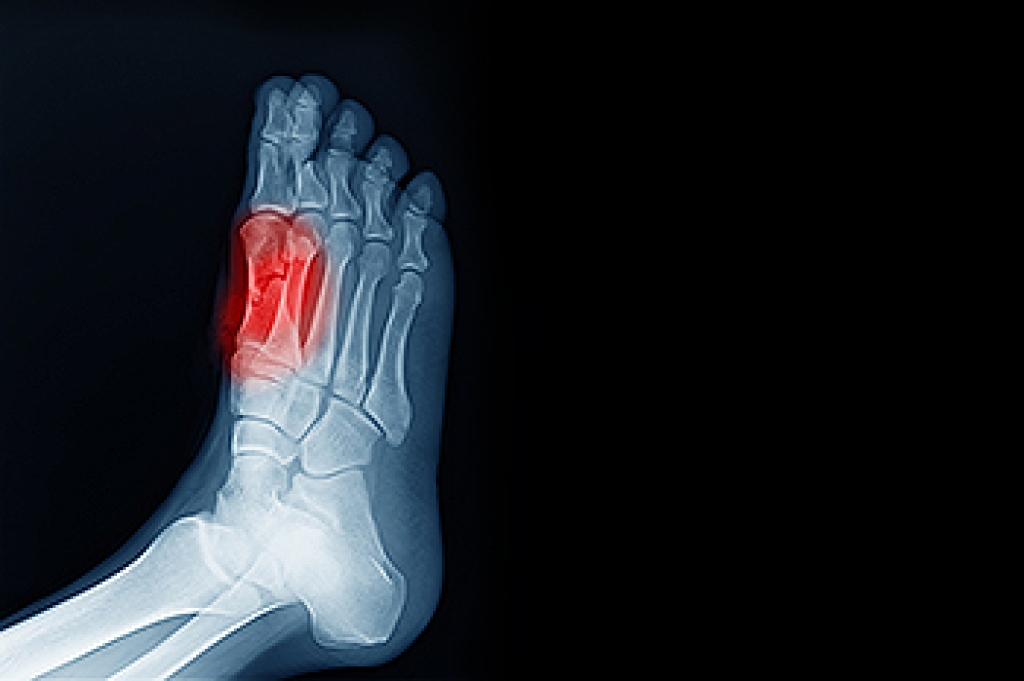
Two pea-sized bones, called sesamoids, sit beneath the big-toe joint, within the tendons at the ball of the foot. They work like small pulleys, helping the tendons move smoothly and supporting the foot as it pushes off the ground. Sesamoiditis develops when the tendons and tissues surrounding these bones become irritated. Pain usually begins gradually beneath the big toe and can worsen when walking, running, or bending the toe upward. The area can also become swollen or tender. Unlike a sesamoid fracture, which can cause sudden pain after an injury, sesamoiditis usually results from repeated stress.

Activities that place repeated pressure on the forefoot can raise the risk of sesamoiditis. Running, dancing, and sporting activities that require quick bursts of movement are frequent causes. High-heeled shoes can shift extra weight toward the ball of the foot. Shoes that lack proper support or cushioning can also increase pressure beneath the big toe. A podiatrist can carefully examine the location of the pain and check how the big toe moves. X-rays can help rule out a fracture. When the cause remains unclear, other imaging tests can reveal tissue irritation or a small stress injury.

A podiatrist focuses on reducing pressure, controlling painful movement, and allowing the irritated area to recover. One treatment option is wearing cushioned or stiff-soled shoes. In addition, custom orthotics can improve weight distribution and reduce stress beneath the big-toe joint. Special padding can protect the sesamoids, and taping can keep the toe from bending too far. In some cases, a removable brace may be recommended. Surgery is rarely considered, but it can be an option when persistent symptoms do not respond to other care. Early diagnosis is important because a fracture and sesamoiditis can feel similar but require different treatment plans. If you have symptoms of sesamoiditis, it is suggested that you schedule an appointment with a podiatrist for a diagnosis and appropriate treatment.

Sesamoiditis is an unpleasant foot condition characterized by pain in the balls of the feet. If you think you’re struggling with sesamoiditis, contact one of our podiatrists of Toms River Podiatrist . Our doctors will treat your condition thoroughly and effectively.

Sesamoiditis

Sesamoiditis is a condition of the foot that affects the ball of the foot. It is more common in younger people than it is in older people. It can also occur with people who have begun a new exercise program, since their bodies are adjusting to the new physical regimen. Pain may also be caused by the inflammation of tendons surrounding the bones. It is important to seek treatment in its early stages because if you ignore the pain, this condition can lead to more serious problems such as severe irritation and bone fractures.

Causes of Sesamoiditis

  • Sudden increase in activity
  • Increase in physically strenuous movement without a proper warm up or build up
  • Foot structure: those who have smaller, bonier feet or those with a high arch may be more susceptible

Treatment for sesamoiditis is non-invasive and simple. Doctors may recommend a strict rest period where the patient forgoes most physical activity. This will help give the patient time to heal their feet through limited activity. For serious cases, it is best to speak with your doctor to determine a treatment option that will help your specific needs.

If you have any questions, please feel free to contact our office located in Toms River, NJ . We offer the newest diagnostic and treatment technologies for all your foot care needs.

Read more about Sesamoiditis

Warning Signs of Peripheral Artery Disease in Your Feet

Peripheral artery disease, or PAD, is a circulatory condition that develops when arteries become narrowed by fatty deposits, reducing blood flow to the legs and feet. Because healthy circulation delivers oxygen to muscles and skin, reduced blood supply can affect walking comfort and wound healing. One common symptom is pain while walking that improves with rest, a pattern known as claudication. Some people also experience leg cramps or numbness in their feet. Recognizing these warning signs early is important because PAD can increase the risk of serious circulation problems.

Atherosclerosis, which causes plaque to build up inside arteries, is the most common cause of PAD. Smoking damages blood vessels and greatly increases the risk of developing this condition. Other risk factors include diabetes, high blood pressure, and high cholesterol. Age and family history can also contribute. People with diabetes may face additional concerns because nerve damage can make foot injuries harder to notice. When circulation is reduced, even a small blister or cut may heal slowly and become vulnerable to infection.


Changes in foot appearance can provide further clues that circulation needs attention. The skin may look pale, bluish, or unusually shiny, while toenails may grow more slowly. Feet may feel colder than usual, and numbness or weakness can develop. In advanced cases, pain may occur even while resting, or sores may fail to heal. Sudden severe foot pain with coldness, discoloration, or loss of sensation requires emergency medical care because it may signal an acute blockage.


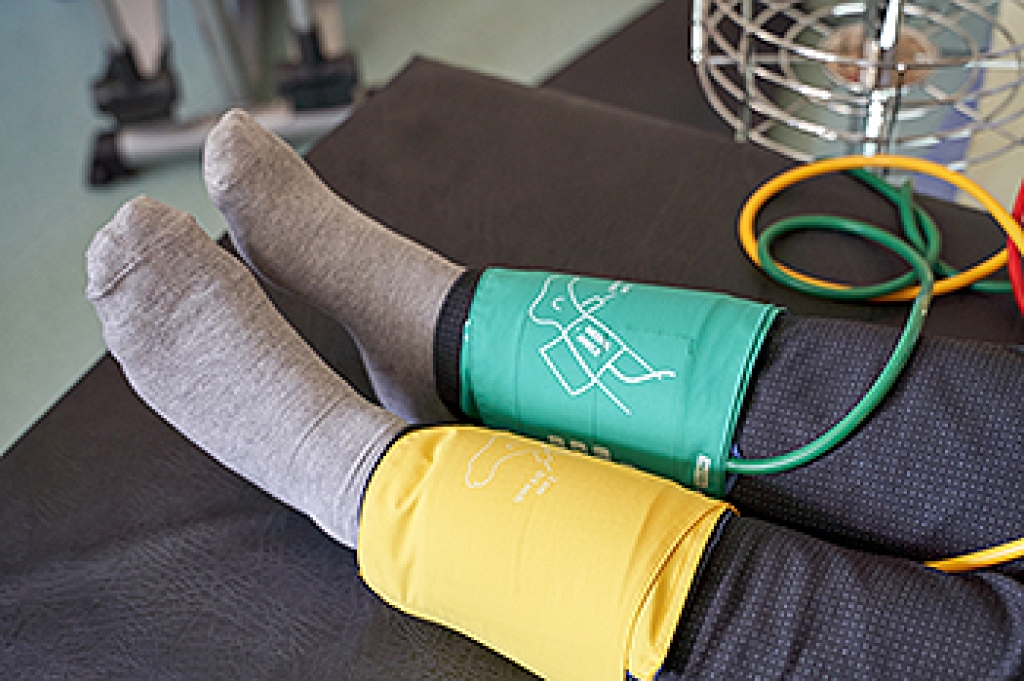
A podiatrist examines your feet, checks pulses, and evaluates wounds. An ankle-brachial index or vascular imaging may help identify reduced blood flow. Treatment options include smoking cessation, prescribed medication, and recommendations for protective footwear. If you have symptoms of PAD, it is suggested that you consult a podiatrist for an accurate diagnosis and appropriate treatment.

Peripheral artery disease can pose a serious risk to your health. It can increase the risk of stroke and heart attack. If you have symptoms of peripheral artery disease, consult with one of our podiatrists from Toms River Podiatrist . Our doctors will assess your condition and provide you with quality foot and ankle treatment.

Peripheral artery disease (PAD) is when arteries are constricted due to plaque (fatty deposits) build-up. This results in less blood flow to the legs and other extremities. The main cause of PAD is atherosclerosis, in which plaque builds up in the arteries.

Symptoms

Symptoms of PAD include:

  • Claudication (leg pain from walking)
  • Numbness in legs
  • Decrease in growth of leg hair and toenails
  • Paleness of the skin
  • Erectile dysfunction
  • Sores and wounds on legs and feet that won’t heal
  • Coldness in one leg

It is important to note that a majority of individuals never show any symptoms of PAD.

Diagnosis

While PAD occurs in the legs and arteries, Podiatrists can diagnose PAD. Podiatrists utilize a test called an ankle-brachial index (ABI). An ABI test compares blood pressure in your arm to you ankle to see if any abnormality occurs. Ultrasound and imaging devices may also be used.

Treatment

Fortunately, lifestyle changes such as maintaining a healthy diet, exercising, managing cholesterol and blood sugar levels, and quitting smoking, can all treat PAD. Medications that prevent clots from occurring can be prescribed. Finally, in some cases, surgery may be recommended.

If you have any questions, please feel free to contact our office located in Toms River, NJ . We offer the newest diagnostic and treatment technologies for all your foot care needs.
Read more about Peripheral Artery Disease

Let the Expert Treat Your Ingrown Toenails

Ingrown toenails can be painful and can make wearing shoes or walking uncomfortable. Seek professional help if you believe you've developed an ingrown toenail and be treated safely. 

Dance Injuries That Affect the Feet and Ankles

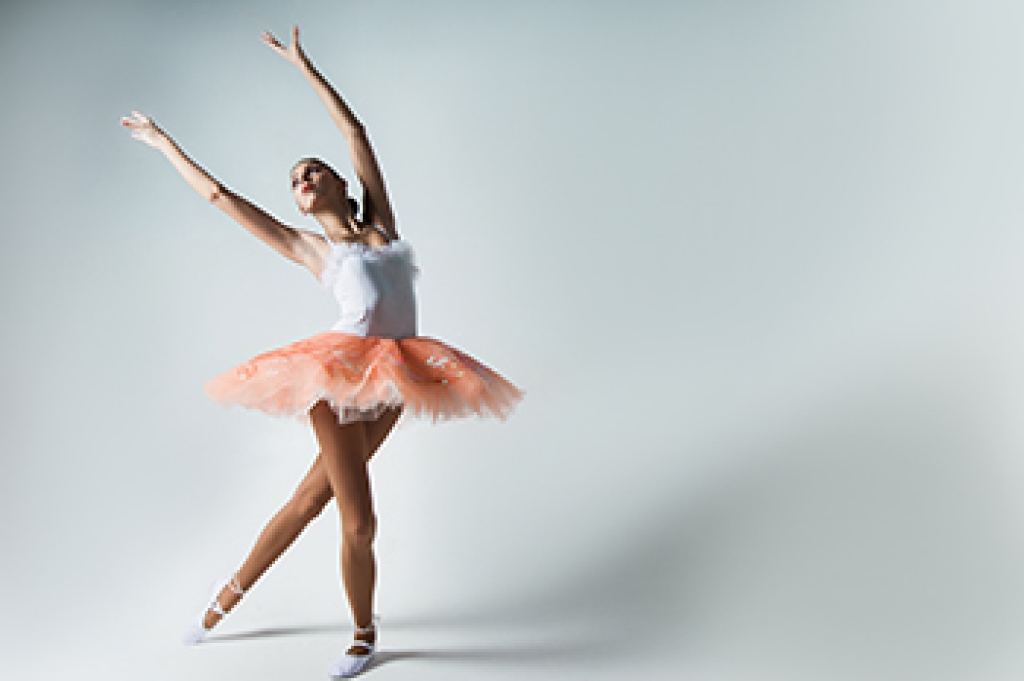
Dancers combine artistry with the strength and endurance of athletes. Ballet places heavy demands on the feet because dancers repeatedly jump, turn, and balance on the toes. The en pointe position places tremendous force on the forefoot, including the toes and long bones behind them. Years of training help the feet develop the flexibility and control required for this position. Even so, demanding practices and performances can strain tissues or injure bones. Pain should not be dismissed as part of dance, since continuing to dance on an injury can make it more serious.

Stress fractures are tiny cracks that develop when repeated force exceeds the bone's ability to recover. They affect the bones of the forefoot and can cause pain, swelling, and tenderness. Ankle sprains can occur when a landing or turn stretches the ligaments that support the joint. Dancers can develop Achilles tendon injuries from repeated jumping and powerful push-offs. Toenails face pressure inside ballet shoes, especially en pointe. This pressure can lead to bruising beneath a nail, nail separation, or a painful ingrown toenail. Pain at the ball of the foot can develop when repeated pressure irritates joints or soft tissues.

A podiatrist can examine the area, review dance technique, and order imaging tests to identify the cause. X-rays can reveal many fractures, although an MRI or other scan may be needed to detect an early stress fracture. Treatment depends on the injury and its severity. A podiatrist can protect an injured bone with a boot, brace, or other support. The podiatrist can provide padding or custom orthotics to reduce pressure and improve foot alignment. Guidance on shoe fit and a safe return to dance can lower the risk of another injury. Surgery is reserved for severe injuries or problems that do not improve with other care. If you sustain a foot, ankle or toe injury while dancing, it is suggested that you schedule an appointment with a podiatrist for a diagnosis and appropriate treatment.

Foot Pain

Foot pain can be extremely painful and debilitating. If you have a foot pain, consult with one of our podiatrists from Toms River Podiatrist . Our doctors will assess your condition and provide you with quality foot and ankle treatment.

Causes

Foot pain is a very broad condition that could be caused by one or more ailments. The most common include:

  • Bunions
  • Hammertoes
  • Plantar Fasciitis
  • Bone Spurs
  • Corns
  • Tarsal Tunnel Syndrome
  • Ingrown Toenails
  • Arthritis (such as Gout, Rheumatoid, and Osteoarthritis)
  • Flat Feet
  • Injury (from stress fractures, broken toe, foot, ankle, Achilles tendon ruptures, and sprains)
  • And more

Diagnosis

To figure out the cause of foot pain, podiatrists utilize several different methods. This can range from simple visual inspections and sensation tests to X-rays and MRI scans. Prior medical history, family medical history, and any recent physical traumatic events will all be taken into consideration for a proper diagnosis.

Treatment

Treatment depends upon the cause of the foot pain. Whether it is resting, staying off the foot, or having surgery; podiatrists have a number of treatment options available for foot pain.

If you have any questions, please feel free to contact our office located in Toms River, NJ . We offer the newest diagnostic and treatment technologies for all your foot care needs.

Read more about Foot Pain

Connect With Us