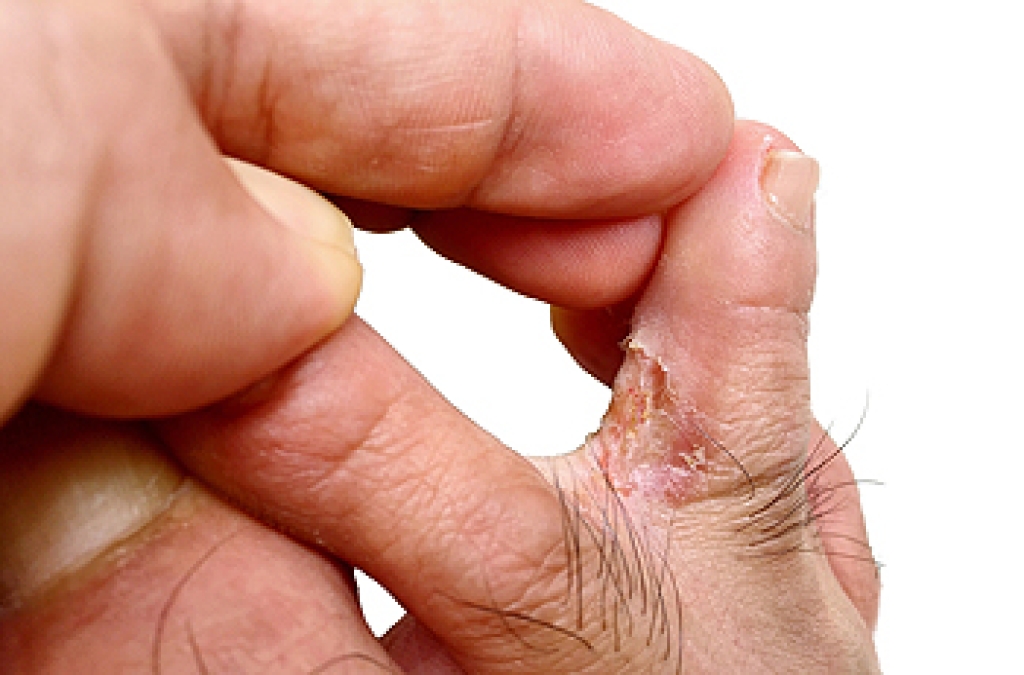
Recognizing Signs of Athlete's Foot

Athlete's foot is a common fungal infection that affects the skin of the feet. Despite its name, anyone can develop athlete's foot, not just athletes. The infection often begins between the toes, but may spread to other areas of the foot if exposed to the fungus. Common symptoms include itching, redness, and peeling skin. Some people also notice burning, cracking, or dry, flaky patches that become uncomfortable while walking. Because the infection thrives in warm, moist environments, it is more likely to develop in places where feet remain damp for extended periods. A professional evaluation is important because athlete's foot can resemble other skin conditions, making an accurate diagnosis essential for effective treatment.


Although athlete's foot usually starts as a skin infection, it can become more serious if it continues to spread. Cracked skin may allow bacteria to enter, increasing the risk of a secondary infection. In some cases, the fungus may also spread to the toenails, making treatment more challenging. Individuals with diabetes or weakened immune systems may have a greater risk of complications and should not ignore persistent symptoms. A comprehensive podiatry examination helps confirm the diagnosis while evaluating the extent of the infection and the overall health of the feet. Early diagnosis allows treatment to begin before the condition becomes more widespread or leads to additional foot problems.


A podiatrist specializes in diagnosing and treating athlete's foot while identifying any underlying conditions that may contribute to recurring infections. Professional care focuses on eliminating the infection, relieving uncomfortable symptoms, and protecting the health of the skin and toenails. Treatment is tailored to each patient's condition and adjusted as needed to support recovery. Regular podiatry visits may also help identify changes in foot health before they become more serious. If you have persistent itching, peeling skin, or other symptoms of athlete's foot, it is suggested that you consult a podiatrist for an evaluation and appropriate treatment options.

Athlete’s foot is an inconvenient condition that can be easily reduced with the proper treatment. If you have any concerns about your feet and ankles, contact one of our podiatrists from Toms River Podiatrist .  Our doctors will treat your foot and ankle needs.

Athlete’s Foot: The Sole Story

Athlete's foot, also known as tinea pedis, can be an extremely contagious foot infection. It is commonly contracted in public changing areas and bathrooms, dormitory style living quarters, around locker rooms and public swimming pools, or anywhere your feet often come into contact with other people.

Solutions to Combat Athlete’s Foot

  • Hydrate your feet by using lotion
  • Exfoliate
  • Buff off nails
  • Use of anti-fungal products
  • Examine your feet and visit your doctor if any suspicious blisters or cuts develop

Athlete’s foot can cause many irritating symptoms such as dry and flaking skin, itching, and redness. Some more severe symptoms can include bleeding and cracked skin, intense itching and burning, and even pain when walking. In the worst cases, Athlete’s foot can cause blistering as well. Speak to your podiatrist for a better understanding of the different causes of Athlete’s foot, as well as help in determining which treatment options are best for you.

If you have any questions please feel free to contact our office located in Toms River, NJ . We offer the newest diagnostic and treatment technologies for all your foot and ankle needs.

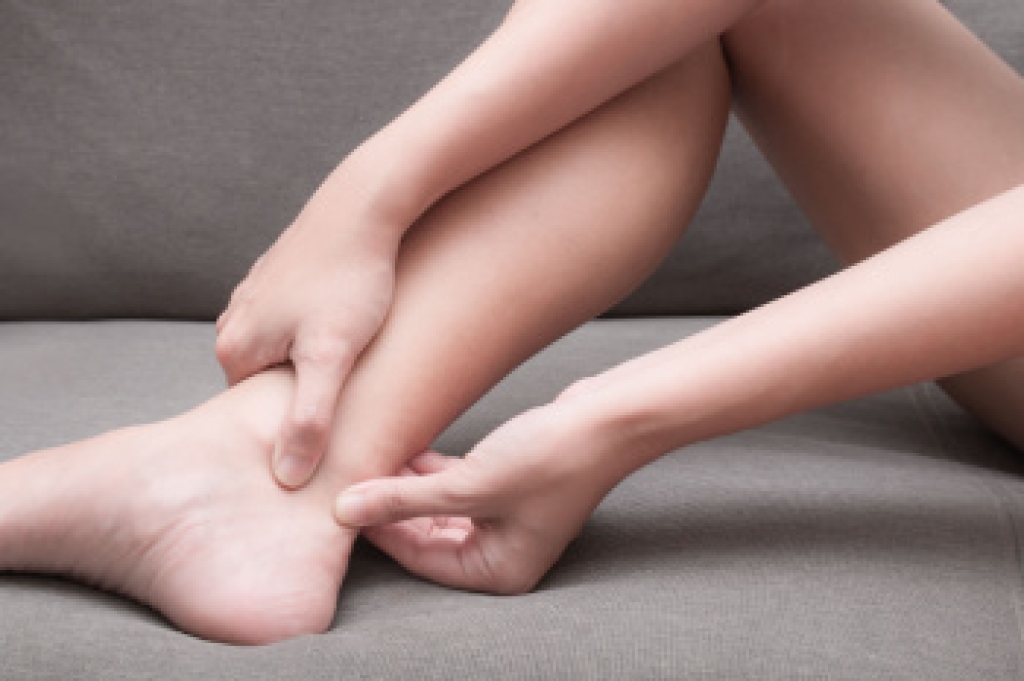
Read more about Athlete’s Foot

Foot and Ankle Injuries in Athletes

Sports-related foot and ankle injuries can interrupt training, limit performance, and make everyday movement uncomfortable. Running, jumping, and sudden changes in direction place repeated stress on the feet and ankles, increasing the risk of injury. Common problems include ankle sprains, stress fractures, tendon injuries, and heel pain. Tendons are strong bands of tissue that connect muscles to bones. Symptoms include pain, swelling, bruising, and stiffness. Difficulty putting weight on the affected foot or ankle is another sign. Some injuries develop suddenly after a fall or awkward landing, while others result from repeated stress that gradually damages bones or soft tissues. Early evaluation helps identify the source of pain before the injury becomes more serious.

A podiatrist carefully evaluates foot structure, ankle stability, and walking pattern to determine what is contributing to the injury. The examination also identifies areas of tenderness and movement problems that increase stress on the feet during sports and other activities. Treatment includes custom orthotics, footwear recommendations, and care tailored to the specific injury. A podiatrist can also recommend exercises that improve flexibility, strength, and balance to support recovery and help reduce the risk of future injuries. Regular evaluations help monitor healing and guide a safe return to athletic activities. Improving foot mechanics can also reduce unnecessary strain on the joints and supporting tissues while walking and running.

Ignoring a sports-related foot or ankle injury can lead to ongoing pain, reduced performance, and a greater chance of repeated injuries. Returning to sports too quickly can increase stress on healing tissues and delay recovery. Wearing shoes that provide proper support and addressing movement problems can help protect the feet and ankles during physical activity. Early podiatry care improves foot function, supports healthy movement, and helps patients return to their favorite activities with greater confidence. If you have sustained a sports-related foot and ankle injury, it is suggested that you schedule an appointment with a podiatrist for diagnosis and treatment.

Ankle and foot injuries are common among athletes and in many sports. They can be caused by several problems and may be potentially serious. If you are feeling pain or think you were injured in a sporting event or when exercising, consult with one of our podiatrists from Toms River Podiatrist . Our doctors will assess your condition and provide you with quality foot and ankle treatment.

Common Injuries

The most common injuries that occur in sporting activities include:

  • Achilles Tendonitis
  • Achilles Tendon Rupture
  • Ankle Sprains
  • Broken Foot
  • Plantar Fasciitis
  • Stress Fractures
  • Turf Toe

Symptoms

Symptoms vary depending upon the injury and in some cases, there may be no symptoms at all. However, in most cases, some form of symptom is experienced. Pain, aching, burning, bruising, tenderness, tightness or stiffness, sensation loss, difficulty moving, and swelling are the most common symptoms.

Treatment

Just as symptoms vary depending upon the injury, so do treatment options. A common treatment method is known as the RICE method. This method involves rest, applying ice, compression and elevating the afflicted foot or ankle. If the injury appears to be more serious, surgery might be required, such as arthroscopic or reconstructive surgery. Lastly, rehabilitation or therapy might be needed to gain full functionality in the afflicted area. Any discomfort experienced by an athlete must be evaluated by a licensed, reputable medical professional.  

If you have any questions please contact our office located in Toms River, NJ . We offer the newest diagnostic and treatment technologies for all your foot and ankle needs.

Read more about Sports Related Foot and Ankle Injuries

How a Podiatrist Can Help Treat Tarsal Tunnel Syndrome

Tarsal tunnel syndrome is a condition that develops when the tibial nerve becomes compressed as it passes through a narrow space on the inside of the ankle called the tarsal tunnel. This pressure can interfere with normal nerve function and cause discomfort in the foot and ankle. Symptoms often include burning pain, tingling, or numbness that may spread into the heel, arch, or toes. Some people also experience sharp, shooting pain that becomes worse when standing or walking. The symptoms may appear gradually or develop after an injury. Because several foot conditions can produce similar symptoms, a professional evaluation is important to determine the underlying cause and recommend the most appropriate treatment.


Several factors can contribute to tarsal tunnel syndrome, including flat feet, injuries, and swelling around the ankle. Inflammation or nearby growths may also place pressure on the tibial nerve. As nerve compression continues, symptoms may become more frequent and begin to affect balance or normal walking. Persistent nerve irritation can also make daily activities less comfortable. A thorough podiatry evaluation helps identify the source of the nerve compression and determine whether another condition is contributing to the symptoms. Early diagnosis allows treatment to begin before the condition progresses and causes more significant nerve-related problems.


A podiatrist specializes in diagnosing and treating tarsal tunnel syndrome by evaluating foot structure, ankle function, and walking mechanics. Professional treatment is based on the underlying cause and focuses on relieving pressure on the affected nerve while improving overall foot function. Early podiatry care may also help reduce discomfort, improve mobility, and lower the risk of long-term nerve damage. Regular follow-up visits allow your progress to be monitored and treatment to be adjusted when needed. If numbness, tingling, or pain in your foot or ankle is affecting your daily activities, it is suggested that you consult a podiatrist for an evaluation and appropriate treatment options.

Tarsal tunnel syndrome can be very uncomfortable to live with. If you are experiencing tarsal tunnel syndrome, contact one of our podiatrists of Toms River Podiatrist . Our doctors can provide the care you need to keep you pain-free and on your feet.

Tarsal Tunnel Syndrome

Tarsal tunnel syndrome, which can also be called tibial nerve dysfunction, is an uncommon condition of misfiring peripheral nerves in the foot. The tibial nerve is the peripheral nerve in the leg responsible for sensation and movement of the foot and calf muscles. In tarsal tunnel syndrome, the tibial nerve is damaged, causing problems with movement and feeling in the foot of the affected leg.

Common Cause of Tarsal Tunnel Syndrome

  • Involves pressure or an injury, direct pressure on the tibial nerve for an extended period of time, sometimes caused by other body structures close by or near the knee.
  • Diseases that damage nerves, including diabetes, may cause tarsal tunnel syndrome.
  • At times, tarsal tunnel syndrome can appear without an obvious cause in some cases.

The Effects of Tarsal Tunnel Syndrome

  • Different sensations, an afflicted person may experience pain, tingling, burning or other unusual sensations in the foot of the affected leg.
  • The foot muscles, toes and ankle become weaker, and curling your toes or flexing your foot can become difficult.
  • If condition worsens, infections and ulcers may develop on the foot that is experiencing the syndrome.

A physical exam of the leg can help identify the presence of tarsal tunnel syndrome. Medical tests, such as a nerve biopsy, are also used to diagnose the condition. Patients may receive physical therapy and prescriptive medication. In extreme cases, some may require surgery.

If you have any questions please contact our office located in Toms River, NJ . We offer the newest diagnostic and treatment technologies for all your foot and ankle needs.
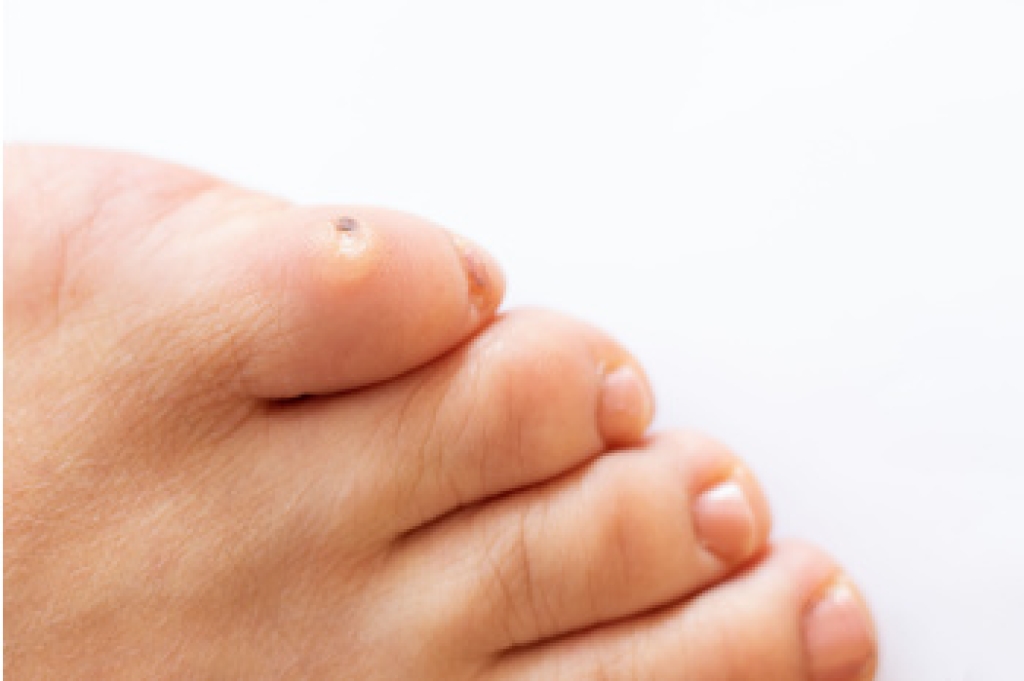
Read more about Treating Tarsal Tunnel Syndrome

Are You Suffering From Nerve Damage?

Neuropathy is a condition that can lead to numbness or loss of sensation in the feet, but it can also cause pain. This condition is more likely to develop for those who are diabetic, obese, or with high blood pressure.

Recognizing Early Symptoms of Foot Corns

Foot corns are small, concentrated areas of thickened skin that form as a natural defense against repeated pressure or friction. They typically develop on or around the toes, especially along the top, sides, or between toes where footwear creates constant rubbing. Unlike calluses, which are larger and spread out, corns are more defined and often have a hardened center that presses into deeper layers of skin. This focused pressure can lead to discomfort and interfere with normal foot function, particularly for individuals who spend extended periods standing or walking.

Symptoms of foot corns usually begin with localized tenderness and irritation in the affected area. Many individuals notice discomfort when wearing shoes or during walking activities. The skin may feel rough and thick, and a small, hardened core may become visible over time. Pain often increases when direct pressure is applied and may improve once the source of friction is removed. In some cases, inflammation can develop around the corn, making the surrounding skin more sensitive. Early identification of these symptoms allows for more effective care and reduces the likelihood of worsening discomfort.

The primary cause of foot corns is repeated friction or pressure from ill-fitting footwear. Tight shoes, high-heeled styles, and narrow toe boxes can force the toes into unnatural positions, increasing stress on specific areas. Structural foot conditions such as hammertoes or misaligned joints can also contribute by creating uneven pressure points. Without proper intervention, continued irritation may cause the corn to become more painful and persistent.

Risk factors include wearing poorly fitted shoes, having underlying foot deformities, and engaging in activities that place repeated stress on the feet. Preventive steps include selecting properly fitted footwear, using protective padding, and maintaining regular foot care. Addressing the root cause is key to long-term relief. If you have developed a corn on your foot, it is suggested that you consult a podiatrist for effective relief and treatment solutions.

If you have any concerns regarding your feet and ankles, contact one of our podiatrists of Toms River Podiatrist . Our doctors will treat your foot and ankle needs.

Corns: What Are They? and How Do You Get Rid of Them?
Corns can be described as areas of the skin that have thickened to the point of becoming painful or irritating. They are often layers and layers of the skin that have become dry and rough, and are normally smaller than calluses.

Ways to Prevent Corns
There are many ways to get rid of painful corns such as wearing:

  • Well-fitting socks
  • Comfortable shoes that are not tight around your foot
  • Shoes that offer support

Treating Corns
Treatment of corns involves removing the dead skin that has built up in the specific area of the foot. Consult with Our doctors to determine the best treatment option for your case of corns.

If you have any questions, please feel free to contact our office located in Toms River, NJ . We offer the newest diagnostic and treatment technologies for all your foot care needs.

Read more about Corns: What Are They, and How Do You Get Rid of Them

Connect With Us