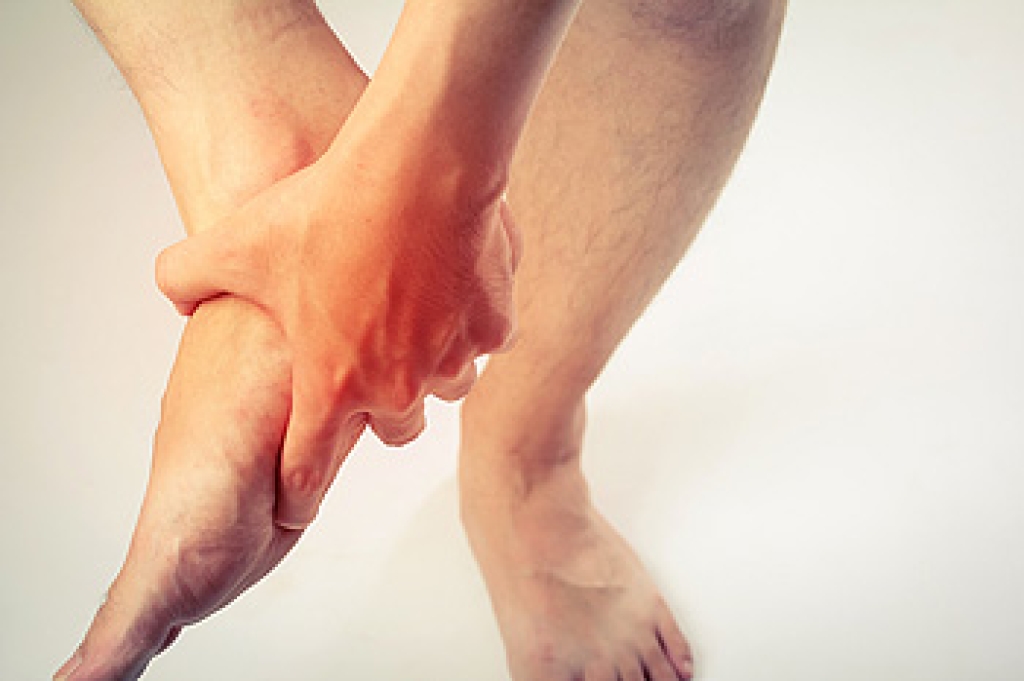
Podiatry Treatment for Plantar Fasciitis

Plantar fasciitis develops when the plantar fascia becomes irritated. The plantar fascia is a strong band of tissue that runs along the bottom of the foot from the heel toward the toes. It helps support the arch and absorbs stress when standing or walking. Repeated strain on this tissue leads to heel pain and tenderness. Factors that contribute include long periods of standing, increased physical activity, and changes in foot structure. Shoes that lack proper support also place added stress on the plantar fascia. Pain is usually felt near the bottom of the heel. It is especially noticeable with the first steps after getting out of bed or after sitting for an extended period.

A podiatrist evaluates plantar fasciitis by examining the foot and identifying areas of pain or tenderness. An examination includes checking the arch, ankle movement, and foot flexibility. The podiatrist also observes how the patient stands and walks in order to identify movement patterns that could place added stress on the plantar fascia. Treatment is focused on reducing strain while improving foot support and function. Custom orthotics help distribute pressure more evenly and support the arch. A podiatrist may recommend shoes that provide appropriate cushioning and support. Targeted treatment also improves flexibility and addresses tight tissues that contribute to heel discomfort.

Plantar fasciitis makes standing, walking, and completing daily activities uncomfortable. Patients can change the way they walk to avoid pressure on the painful heel, which places additional stress on other areas of the foot. A podiatrist identifies these changes and develops a treatment plan based on the patient's symptoms and foot structure. Care is focused on reducing painful pressure and improving the way the foot functions. Treatment can be adjusted according to the patient's activity level and response to care. Addressing the factors that place strain on the plantar fascia supports more comfortable movement and better foot function. If you have symptoms of plantar fasciitis, it is suggested that you make an appointment with a podiatrist for diagnosis and treatment.

Plantar fasciitis is a common foot condition that is often caused by a strain injury. If you are experiencing heel pain or symptoms of plantar fasciitis, contact one of our podiatrists from Toms River Podiatrist . Our doctors can provide the care you need to keep you pain-free and on your feet.

What Is Plantar Fasciitis?

Plantar fasciitis is one of the most common causes of heel pain. The plantar fascia is a ligament that connects your heel to the front of your foot. When this ligament becomes inflamed, plantar fasciitis is the result. If you have plantar fasciitis you will have a stabbing pain that usually occurs with your first steps in the morning. As the day progresses and you walk around more, this pain will start to disappear, but it will return after long periods of standing or sitting.

What Causes Plantar Fasciitis?

  • Excessive running
  • Having high arches in your feet
  • Other foot issues such as flat feet
  • Pregnancy (due to the sudden weight gain)
  • Being on your feet very often

There are some risk factors that may make you more likely to develop plantar fasciitis compared to others. The condition most commonly affects adults between the ages of 40 and 60. It also tends to affect people who are obese because the extra pounds result in extra stress being placed on the plantar fascia.

Prevention

  • Take good care of your feet – Wear shoes that have good arch support and heel cushioning.
  • Maintain a healthy weight
  • If you are a runner, alternate running with other sports that won’t cause heel pain

There are a variety of treatment options available for plantar fasciitis along with the pain that accompanies it. Additionally, physical therapy is a very important component in the treatment process. It is important that you meet with your podiatrist to determine which treatment option is best for you.

If you have any questions, please feel free to contact our office located in Toms River, NJ . We offer the newest diagnostic and treatment technologies for all your foot care needs.
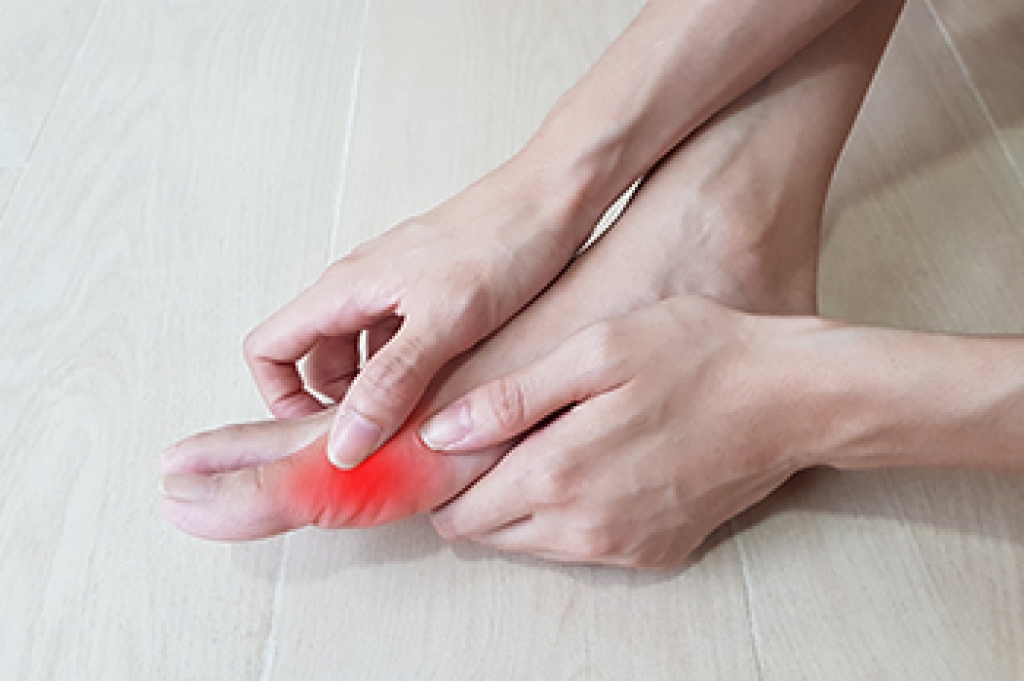

 

Read more about Plantar Fasciitis

Understanding Gout Attacks

Gout can cause intense foot pain that appears with little warning. It develops when excess uric acid builds up in the body and forms needle-like crystals inside a joint. Uric acid is produced naturally and also comes from the breakdown of substances called purines, which are found in many foods. The kidneys normally remove uric acid from the blood. When too much remains, crystals can collect in joints and trigger inflammation. The first gout attack frequently affects the large joint of the big toe. The ankles and heels can also become painful.

A gout attack can begin suddenly, sometimes after a person goes to bed feeling fine. The affected joint can become swollen, stiff, and tender. It can also feel warm or appear red. Pain can last for hours or continue much longer. Several factors can raise the risk of gout, including family history, kidney problems, and excess body weight. Certain medications can also contribute. Foods high in purines and heavy alcohol intake can increase the risk of a flare. Without proper management, repeated gout attacks can damage joints and limit mobility.

A podiatrist can evaluate sudden foot pain and determine whether symptoms are consistent with gout or another foot problem. The examination can focus on the painful joint, swelling, and changes in movement. Because gout can resemble other forms of arthritis or a joint infection, an accurate diagnosis is important. A podiatrist can develop a treatment plan to address foot pain and protect joint function. Care can also focus on reducing pressure on painful areas and improving mobility after inflammation settles. If you have symptoms of gout, it is suggested that you are under the care of a podiatrist who can help you to manage this serious condition.  


Gout is a foot condition that requires certain treatment and care. If you are seeking treatment, contact one of our podiatrists from Toms River Podiatrist . Our doctors will treat your foot and ankle needs.

What Is Gout?

Gout is a type of arthritis caused by a buildup of uric acid in the bloodstream. It often develops in the foot, especially the big toe area, although it can manifest in other parts of the body as well. Gout can make walking and standing very painful and is especially common in diabetics and the obese.

People typically get gout because of a poor diet. Genetic predisposition is also a factor. The children of parents who have had gout frequently have a chance of developing it themselves.

Gout can easily be identified by redness and inflammation of the big toe and the surrounding areas of the foot. Other symptoms include extreme fatigue, joint pain, and running high fevers. Sometimes corticosteroid drugs can be prescribed to treat gout, but the best way to combat this disease is to get more exercise and eat a better diet.

If you have any questions, please feel free to contact our office located in Toms River, NJ . We offer the newest diagnostic and treatment technologies for all your foot care needs.

Read more about Everything You Need to Know About Gout

What Cuboid Syndrome Feels Like During Everyday Movement

Cuboid syndrome can cause stubborn pain along the outside of the foot, especially after an injury or demanding activity. The cuboid is a small bone in the midfoot that helps connect the heel area with the front of the foot. When this bone becomes irritated or moves out of its normal position, discomfort can develop. People may notice tenderness, aching, or pain while placing weight on the foot.

One common cause is an ankle sprain. The force from an injury can affect the position of the cuboid and surrounding tissues. Repetitive stress can also contribute, particularly during running, jumping, or sports that require frequent changes in direction. Risk factors include ankle instability, sudden increases in exercise, and wearing shoes that do not provide enough support. Flat feet or high arches may also change pressure across the outer midfoot.


During an evaluation, a podiatrist will ask about the injury or activity that preceded the symptoms. The foot will be examined for tenderness, swelling, and changes in alignment. X-rays or other imaging may be used when a fracture or another problem needs to be excluded. Treatment may include rest from aggravating activities, padding, or taping. In some cases, the podiatrist may perform a careful cuboid manipulation to restore normal positioning.


Cuboid syndrome usually affects the outer portion of the midfoot, near the cuboid bone between the heel and smaller toes. The discomfort may feel like a deep ache or a sharp pain during forceful push-off movements. Some people notice symptoms more strongly while walking on an uneven surface or standing for long periods. Since foot pain can have several causes, it is important to obtain an accurate diagnosis. If symptoms of cuboid syndrome continue, it is suggested that you consult a podiatrist for an accurate diagnosis and appropriate treatment.

Cuboid syndrome, also known as cuboid subluxation, occurs when the joints and ligaments near the cuboid bone in the foot become torn. If you have cuboid syndrome, consult with one of our podiatrists from Toms River Podiatrist . Our doctors will assess your condition and provide you with quality foot and ankle treatment.

Cuboid syndrome is a common cause of lateral foot pain, which is pain on the outside of the foot. The condition may happen suddenly due to an ankle sprain, or it may develop slowly overtime from repetitive tension through the bone and surrounding structures.

Causes

The most common causes of cuboid syndrome include:

  • Injury – The most common cause of this ailment is an ankle sprain.
  • Repetitive Strain – Tension placed through the peroneus longus muscle from repetitive activities such as jumping and running may cause excessive traction on the bone causing it to sublux.
  • Altered Foot Biomechanics – Most people suffering from cuboid subluxation have flat feet.

Symptoms

A common symptom of cuboid syndrome is pain along the outside of the foot which can be felt in the ankle and toes. This pain may create walking difficulties and may cause those with the condition to walk with a limp.

Diagnosis

Diagnosis of cuboid syndrome is often difficult, and it is often misdiagnosed. X-rays, MRIs and CT scans often fail to properly show the cuboid subluxation. Although there isn’t a specific test used to diagnose cuboid syndrome, your podiatrist will usually check if pain is felt while pressing firmly on the cuboid bone of your foot.

Treatment

Just as the range of causes varies widely, so do treatments. Some more common treatments are ice therapy, rest, exercise, taping, and orthotics.

If you have any questions, please feel free to contact our office located in Toms River, NJ . We offer the newest diagnostic and treatment technologies for all your foot care needs.

Read more about All About Cuboid Syndrome

Understanding Normal Foot And Ankle Biomechanics

Normal foot and ankle biomechanics describe how the bones, joints, and ligaments work together during movement. Healthy biomechanics allow the foot to absorb impact, adapt to different surfaces, and provide stability when needed. During weight-bearing activities, the feet support the body while distributing pressure across the heel, midfoot, and forefoot. Proper alignment and controlled movement help reduce unnecessary stress on the lower extremities and support efficient walking, standing, and exercise.

Walking follows a coordinated sequence that begins when the heel contacts the ground and continues as the body moves forward over the foot. The ankle and foot gradually adjust to absorb impact before becoming more stable for push-off. Muscles and tendons provide control throughout this process. If alignment, flexibility, or joint motion is altered, certain areas may experience increased pressure. These changes can contribute to discomfort, overuse injuries, or changes in walking patterns.


Running places greater demands on foot and ankle biomechanics because the body experiences increased impact and faster movement. The foot must absorb force and then become stable enough to help propel the body forward. Risk factors for abnormal biomechanics include previous injuries, muscle weakness, and limited flexibility. Structural differences, improper footwear, and sudden increases in activity may also be factors. Symptoms of a biomechanical problem may include persistent foot or ankle pain, uneven shoe wear, or discomfort during weight-bearing activities.


A podiatrist can evaluate biomechanics by observing walking and running patterns and examining foot alignment, joint movement, and weight distribution. The foot doctor may also recommend supportive shoes, orthotics, or activity changes when appropriate. Follow-up visits can help determine whether treatment is improving movement and reducing stress. Understanding foot mechanics can support injury prevention and better mobility. If you have foot or ankle pain and want to understand your foot biomechanics, it is suggested that you consult a podiatrist for an accurate diagnosis and appropriate treatment.

If you have any concerns about your feet, contact one of our podiatrists from Toms River Podiatrist . Our doctors can provide the care you need to keep you pain-free and on your feet.

Biomechanics in Podiatry

Podiatric biomechanics is a particular sector of specialty podiatry with licensed practitioners who are trained to diagnose and treat conditions affecting the foot, ankle and lower leg. Biomechanics deals with the forces that act against the body, causing an interference with the biological structures. It focuses on the movement of the ankle, the foot and the forces that interact with them.

A History of Biomechanics

  • Biomechanics dates back to the BC era in Egypt where evidence of professional foot care has been recorded.
  • In 1974, biomechanics gained a higher profile from the studies of Merton Root, who claimed that by changing or controlling the forces between the ankle and the foot, corrections or conditions could be implemented to gain strength and coordination in the area.

Modern technological improvements are based on past theories and therapeutic processes that provide a better understanding of podiatric concepts for biomechanics. Computers can provide accurate information about the forces and patterns of the feet and lower legs.

Understanding biomechanics of the feet can help improve and eliminate pain, stopping further stress to the foot.

If you have any questions please feel free to contact our office located in Toms River, NJ . We offer the newest diagnostic and treatment technologies for all your foot and ankle needs.

Read more about The Importance of Biomechanics in Podiatry

Connect With Us