Items filtered by date: June 2024
High Heels and Women’s Foot Problems
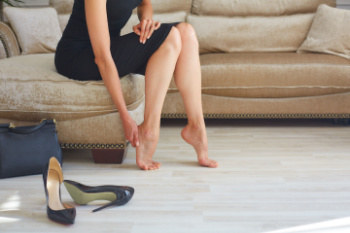
High heels are a staple in many women's wardrobes, with about 40 percent wearing them daily. However, the fashionable choice often comes with a painful price. Three quarters of women wearing high heels experience foot pain regularly. The height of the heel and the narrowness of the toe box are the main culprits. High heels often force toes into unnatural positions, that may lead to bunions, which are bumps along the inside of the big toe, and hammertoes, where toes become bent at the middle joint. Over time, these conditions can worsen, causing significant discomfort and permanent changes in foot structure. High heels also can contribute to tight calf muscles, which may result in plantar fasciitis and Achilles tendonitis. To avoid these issues, select shoes with a proper fit, ensuring that your toes have adequate space to move. For those already suffering, treatments include toe pads, separators, and in severe cases, surgery. If you are experiencing foot pain from high heels, it may be time to reconsider your footwear choices. For guidance with foot problems, it is suggested that you schedule an appointment with a podiatrist for an exam and treatment options.
High heels have a history of causing foot and ankle problems. If you have any concerns about your feet or ankles, contact one of our podiatrists from Toms River Podiatrist . Our doctors can provide the care you need to keep you pain-free and on your feet.
Effects of High Heels on the Feet
High heels are popular shoes among women because of their many styles and societal appeal. Despite this, high heels can still cause many health problems if worn too frequently.
Which Parts of My Body Will Be Affected by High Heels?
- Ankle Joints
- Achilles Tendon – May shorten and stiffen with prolonged wear
- Balls of the Feet
- Knees – Heels cause the knees to bend constantly, creating stress on them
- Back – They decrease the spine’s ability to absorb shock, which may lead to back pain. The vertebrae of the lower back may compress.
What Kinds of Foot Problems Can Develop from Wearing High Heels?
- Corns
- Calluses
- Hammertoe
- Bunions
- Morton’s Neuroma
- Plantar Fasciitis
How Can I Still Wear High Heels and Maintain Foot Health?
If you want to wear high heeled shoes, make sure that you are not wearing them every day, as this will help prevent long term physical problems. Try wearing thicker heels as opposed to stilettos to distribute weight more evenly across the feet. Always make sure you are wearing the proper shoes for the right occasion, such as sneakers for exercising. If you walk to work, try carrying your heels with you and changing into them once you arrive at work. Adding inserts to your heels can help cushion your feet and absorb shock. Full foot inserts or metatarsal pads are available.
If you have any questions please feel free to contact our office located in Toms River, NJ . We offer the newest diagnostic and treatment technologies for all your foot and ankle needs.
Bunions and Their Effects on Women
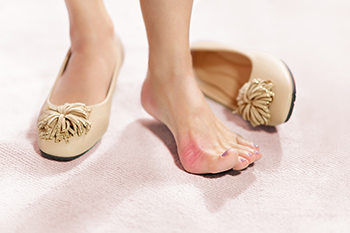
Bunions, or hallux valgus, disproportionately affect women, significantly impacting their overall foot health. Women are particularly susceptible due to factors like frequent wearing of high-heeled or narrow shoes, along with genetic predispositions. The risk of bunions has been shown to increase with age. The formation of a bunion starts with the big toe bending toward the smaller toes, which leads to a painful bony protrusion on the side of the foot. As bunions progress, they disrupt the alignment and function of adjacent toes. This often leads to formation of hammertoes or claw toes, altered weight distribution, corns and calluses. Research suggests that the severity of bunions correlates with increased pain not only in the feet but also in other parts of the body. Family history and flat feet are other contributing factors to the development of bunions. Addressing bunion deformity through early and effective interventions can offer significant relief and improve overall quality of life. If you are experiencing bunion-related discomfort, it is suggested that you make an appointment with a podiatrist for an exam and treatment.
If you are suffering from bunion pain, contact one of our podiatrists of Toms River Podiatrist . Our doctors can provide the care you need to keep you pain-free and on your feet.
What Is a Bunion?
Bunions are painful bony bumps that usually develop on the inside of the foot at the joint of the big toe. As the deformity increases over time, it may become painful to walk and wear shoes. Women are more likely to exacerbate existing bunions since they often wear tight, narrow shoes that shift their toes together. Bunion pain can be relieved by wearing wider shoes with enough room for the toes.
Causes
- Genetics – some people inherit feet that are more prone to bunion development
- Inflammatory Conditions - rheumatoid arthritis and polio may cause bunion development
Symptoms
- Redness and inflammation
- Pain and tenderness
- Callus or corns on the bump
- Restricted motion in the big toe
In order to diagnose your bunion, your podiatrist may ask about your medical history, symptoms, and general health. Your doctor might also order an x-ray to take a closer look at your feet. Nonsurgical treatment options include orthotics, padding, icing, changes in footwear, and medication. If nonsurgical treatments don’t alleviate your bunion pain, surgery may be necessary.
If you have any questions, please feel free to contact our office located in Toms River, NJ . We offer the newest diagnostic and treatment technologies for all your foot care needs.
Possible Causes of Heel Pain
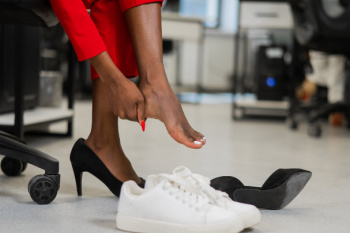 Heel pain can stem from various conditions. Plantar fasciitis, the inflammation of the thick band of tissue running along the bottom of the foot, often causes stabbing pain near the heel. Bursitis, an inflammation of the fluid-filled sacs cushioning the heel, can result from repetitive stress. Heel spurs, bony growths on the underside of the heel bone, may develop due to long-term strain on foot muscles and ligaments. A pump bump, or Haglund's deformity, is a bony enlargement on the back of the heel caused by pressure from footwear. Achilles tendonitis is inflammation of the Achilles tendon, typically due to overuse or tight calf muscles. Diagnosing heel pain involves having a physical exam, reviewing medical history, and sometimes undergoing imaging tests, such as X-rays or MRI scans. Treatment options include rest, stretching exercises, orthotics, and anti-inflammatory medications. If you have persistent heel pain, it is suggested that you schedule an appointment with a podiatrist for a proper diagnosis and treatment plan.
Many people suffer from bouts of heel pain. For more information, contact one of our podiatrists of Toms River Podiatrist . Our doctors can provide the care you need to keep you pain-free and on your feet.
Causes of Heel Pain
Heel pain is often associated with plantar fasciitis. The plantar fascia is a band of tissues that extends along the bottom of the foot. A rip or tear in this ligament can cause inflammation of the tissue.
Achilles tendonitis is another cause of heel pain. Inflammation of the Achilles tendon will cause pain from fractures and muscle tearing. Lack of flexibility is also another symptom.
Heel spurs are another cause of pain. When the tissues of the plantar fascia undergo a great deal of stress, it can lead to ligament separation from the heel bone, causing heel spurs.
Why Might Heel Pain Occur?
- Wearing ill-fitting shoes
- Wearing non-supportive shoes
- Weight change
- Excessive running
Treatments
Heel pain should be treated as soon as possible for immediate results. Keeping your feet in a stress-free environment will help. If you suffer from Achilles tendonitis or plantar fasciitis, applying ice will reduce the swelling. Stretching before an exercise like running will help the muscles. Using all these tips will help make heel pain a condition of the past.
If you have any questions please contact our office located in Toms River, NJ . We offer the newest diagnostic and treatment technologies for all your foot and ankle needs.
Are You Suffering From Ingrown Toenails?

If left untreated, an ingrown toenail can lead to more serious concerns, such as an infection. Knowing proper nail care can help in the prevention of an ingrown toenail. Give us a call, and get treated!
Proper Footwear in the Medical Environment

In the fast-paced world of healthcare, where every second counts and every step matters, the importance of wearing the right shoes cannot be overstated. Medical professionals spend long hours on their feet, navigating through demanding tasks and unpredictable situations. The right footwear provides the necessary support, stability, and comfort to endure the rigors of the medical workplace without compromising on performance or well-being. Wearing ill-fitting or unsuitable shoes can lead to a myriad of issues, from foot pain and discomfort to chronic conditions, such as plantar fasciitis. Additionally, proper footwear plays a critical role in maintaining hygiene standards, reducing the risk of slips, trips, and falls, and preventing the transmission of contaminants. For these reasons, it is beneficial to Invest in high-quality, supportive shoes that are tailored to the specific demands of the medical environment. Working in the medical field may cause mild or chronic foot pain as a result of standing and walking for several hours. If you have developed a foot condition, it is suggested that you consult a podiatrist who can offer appropriate treatment solutions, in addition to guiding you in selecting proper footwear.
While working on the feet, it is important to take the proper care of them. For more information about working on your feet, contact one of our podiatrists from Toms River Podiatrist . Our doctors will treat your foot and ankle needs.
Working on Your Feet
Standing on your feet for long periods of time can cause stress and pain in your feet. Your whole body may experience change in terms of posture, back pain, bunions, callouses and or plantar warts. There are ways to avoid these conditions with proper foot care, smart choices and correct posture.
Positive Changes
Negative heeled shoe – Choosing this shoe type places the heel slightly lower than the ball of the foot. These are great for overall foot health. Find shoes that fit you correctly.
Go barefoot – Our feet were not designed to be enclosed for all hours of the day. Try to periodically expose your feet to air.
Eliminate Pain
Foot Exercises – Performing simple exercises, incorporating yoga and doing stretches are beneficial. This will allow increased blood flow to the area and muscles of the foot.
Achilles tendon – Stretching the foot out flat on the floor will relax the calf muscles and tendon. These exercises can be performed almost anywhere. Make sure you add these exercises to your daily regimen.
With a little bit of this information and knowing more about foot health, you will notice changes. Foot stretches and proper footwear will help with pain and prevent further issues.
If you have any questions please feel free to contact our office located in Toms River, NJ . We offer the newest diagnostic and treatment technologies for all your foot and ankle needs.
