Items filtered by date: June 2023
What Can Cause Toenail Fungus?
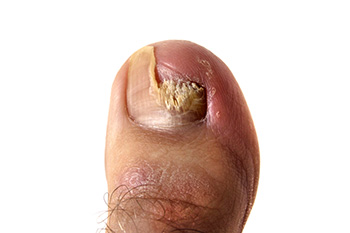
Toenail fungus is a stubborn and unsightly foot condition. It often begins on the nail of the big toe and may travel to the other nails if treatment is not received. It is caused by a fungus that lives in warm and wet environments, such as public swimming pools, gym locker rooms, and similar places. The fungus can enter the body through tiny cracks that are on the skin of the feet. It is easy to prevent this from occurring by wearing flip-flops or water shoes while in these areas. There may also be existing medical conditions that can lead to the development of toenail fungus. These can include diabetes, poor circulation, or illnesses that can affect the immune system. It is beneficial to limit wearing pantyhose, which may cause the feet to sweat and be at risk of developing toenail fungus. If you have this condition, it is suggested that you confer with a podiatrist who can offer prescribed medication or other viable treatment options.
If left untreated, toenail fungus may spread to other toenails, skin, or even fingernails. If you suspect you have toenail fungus it is important to seek treatment right away. For more information about treatment, contact one of our podiatrists of Toms River Podiatrist . Our doctors can provide the care you need to keep you pain-free and on your feet.
Symptoms
- Warped or oddly shaped nails
- Yellowish nails
- Loose/separated nail
- Buildup of bits and pieces of nail fragments under the nail
- Brittle, broken, thickened nail
Treatment
If self-care strategies and over-the-counter medications does not help your fungus, your podiatrist may give you a prescription drug instead. Even if you find relief from your toenail fungus symptoms, you may experience a repeat infection in the future.
Prevention
In order to prevent getting toenail fungus in the future, you should always make sure to wash your feet with soap and water. After washing, it is important to dry your feet thoroughly especially in between the toes. When trimming your toenails, be sure to trim straight across instead of in a rounded shape. It is crucial not to cover up discolored nails with nail polish because that will prevent your nail from being able to “breathe”.
In some cases, surgical procedure may be needed to remove the toenail fungus. Consult with your podiatrist about the best treatment options for your case of toenail fungus.
If you have any questions, please feel free to contact our office located in Toms River, NJ . We offer the newest diagnostic and treatment technologies for all your foot care needs.
Foot Pain and Fibromyalgia
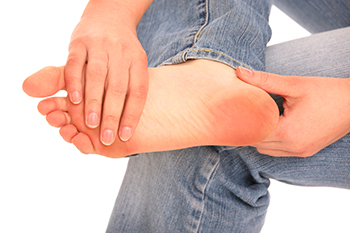
Patients who have fibromyalgia can have pain anywhere in their bodies, including the feet. This type of pain can greatly impact the quality of life because walking is such an essential function. Those who have fibromyalgia and foot pain have described it as a burning sensation on the bottom of the feet. It can also be uncomfortable as the shoes touch the soles or tops of the feet. The reason some people with this ailment have foot pain is unknown, but some studies have shown the nerves of the feet may get triggered. Additionally, the inflammation that comes with fibromyalgia can affect the fascia, which is a band of tissue that runs from the heel to the toes. The plantar fascia is on the bottom of the foot and helps to support the arch and the joint just below the ankle. There may also be coexisting conditions such as rheumatoid arthritis or lupus that can exasperate the foot pain felt with fibromyalgia. Left untreated, foot pain and a change in gait can lead to problems in the rest of the body. If you have fibromyalgia and are experiencing foot pain, it is suggested that you see a podiatrist who can provide the best treatment for you.
Foot Pain
Foot pain can be extremely painful and debilitating. If you have a foot pain, consult with one of our podiatrists from Toms River Podiatrist . Our doctors will assess your condition and provide you with quality foot and ankle treatment.
Causes
Foot pain is a very broad condition that could be caused by one or more ailments. The most common include:
- Bunions
- Hammertoes
- Plantar Fasciitis
- Bone Spurs
- Corns
- Tarsal Tunnel Syndrome
- Ingrown Toenails
- Arthritis (such as Gout, Rheumatoid, and Osteoarthritis)
- Flat Feet
- Injury (from stress fractures, broken toe, foot, ankle, Achilles tendon ruptures, and sprains)
- And more
Diagnosis
To figure out the cause of foot pain, podiatrists utilize several different methods. This can range from simple visual inspections and sensation tests to X-rays and MRI scans. Prior medical history, family medical history, and any recent physical traumatic events will all be taken into consideration for a proper diagnosis.
Treatment
Treatment depends upon the cause of the foot pain. Whether it is resting, staying off the foot, or having surgery; podiatrists have a number of treatment options available for foot pain.
If you have any questions, please feel free to contact our office located in Toms River, NJ . We offer the newest diagnostic and treatment technologies for all your foot care needs.
Causes of Pain Under the Big Toe
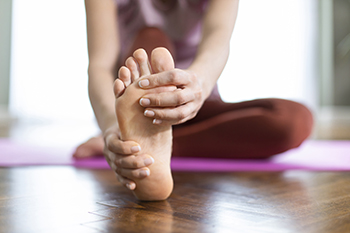
The big toe contributes in large measure to a person’s ability to stand, walk, or run. It bears the majority of the body’s weight when doing any of these activities. For that reason, the big toe can often become painful. Two common causes of pain under the big toe are gout and sesamoiditis. Gout is an inflammatory condition brought on largely by an overabundance of uric acid in the body. When the uric acid crystallizes within the joint of the big toe, the result is sharp, throbbing, and constant pain. Other symptoms are redness, swelling, and tenderness to touch. Gout flare-ups typically subside after a week or so, but may return if the underlying causes are not treated. Sesamoiditis is the inflammation of two tiny bones located just under the big toe joint. This pair of bones, which are free-floating, help with balance and allow the big toe to flex. The sesamoids are under constant pressure during ambulatory activities, typically felt in runners, dancers, and other athletes who put extreme pressure on the big toe. For help with these or other complaints of pain in the big toe, it is suggested that you make an appointment with a podiatrist for a diagnosis and treatment options.
Toe pain can disrupt your daily activities. If you have any concerns, contact one of our podiatrists of Toms River Podiatrist . Our doctors can provide the care you need to keep you pain-free and on your feet.
What Causes Toe Pain?
Most severe toe pain is caused due to a sports injury, trauma from dropping something heavy on the toe, or bumping into something rigid. Other problems can develop over time for various reasons.
Toe pain can be caused by one or more ailments. The most common include:
- Trauma
- Sports injury
- Wearing shoes that are too tight
- Arthritis
- Gout
- Corns and calluses
- Hammertoe
- Bunions
- Blisters
- Ingrown toenails
- Sprains
- Fractures (broken bones)
- Dislocations
When to See a Podiatrist
- Severe pain
- Persistent pain that lasts more than a week
- Signs of infection
- Continued swelling
- Pain that prevents walking
Diagnosis
In many cases the cause of toe pain is obvious, but in others, a podiatrist may want to use more advanced methods to determine the problem. These can range from simple visual inspections and sensation tests to X-rays and MRI scans. Prior medical history, family medical history, and any recent physical traumatic events will all be taken into consideration for a proper diagnosis.
Treatment
Treatments for toe pain and injuries vary and may include shoe inserts, padding, taping, medicines, injections, and in some cases, surgery. If you believe that you have broken a toe, please see a podiatrist as soon as possible.
If you have any questions please feel free to contact our office located in Toms River, NJ . We offer the newest diagnostic tools and technology to treat your foot and ankle needs.
Are You Suffering From Nerve Damage?

Neuropathy is a condition that can lead to numbness or loss of sensation in the feet, but it can also cause pain. This condition is more likely to develop for those who are diabetic, obese, or with high blood pressure.
Help With Elderly Foot Care
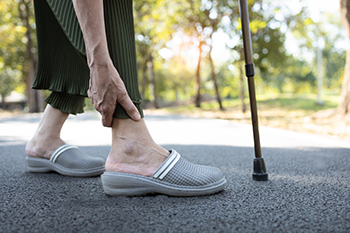
The importance of maintaining good foot care increases as we age. This may be difficult to do as the aging process occurs, and many seniors may need to have a family member or caregiver help them. It is beneficial to wear shoes that fit correctly, and this may help to prevent bunions, hammertoes, and other uncomfortable foot conditions from developing. It is helpful for the toenails to be trimmed weekly, which may be easier to accomplish after a bath or shower when they are softer. Performing gentle foot stretches can help with blood flowing properly, and physical activity may slowly be increased. Many seniors find it can be difficult to look at the bottom of the feet for any cuts that have developed, and often use a mirror. If you would like to have more knowledge about elderly foot care, it is suggested that you consult with a podiatrist who can provide you with useful information.
Proper foot care is something many older adults forget to consider. If you have any concerns about your feet and ankles, contact one of our podiatrists from Toms River Podiatrist . Our doctors can provide the care you need to keep you pain-free and on your feet.
The Elderly and Their Feet
As we age we start to notice many changes in our body, but the elder population may not notice them right away. Medical conditions may prevent the elderly to take notice of their foot health right away. Poor vision is a lead contributor to not taking action for the elderly.
Common Conditions
- Neuropathy – can reduce feeling in the feet and can hide many life-threatening medical conditions.
- Reduced flexibility – prevents the ability of proper toenail trimming, and foot cleaning. If left untreated, it may lead to further medical issues.
- Foot sores – amongst the older population can be serious before they are discovered. Some of the problematic conditions they may face are:
- Gouging toenails affecting nearby toe
- Shoes that don’t fit properly
- Pressure sores
- Loss of circulation in legs & feet
- Edema & swelling of feet and ankles
Susceptible Infections
Diabetes and poor circulation can cause general loss of sensitivity over the years, turning a simple cut into a serious issue.
If you have any questions please feel free to contact our office located in Toms River, NJ . We offer the newest diagnostic and treatment technologies for all your foot and ankle needs.
